
Lemma · Launch Video Breakdown: Hook, Pacing & Motion Design
Artifacts uses your agent's prompts, traces, and private context to decide what should surface as an issue — every validation sharpens what it looks for next.
Scene-by-scene timeline & spoken transcript
The Hook
Dynamic Agent Tailoring
“(No spoken dialogue — The track features a consistent, driving electronic beat with arpeggiated synths and evolving pads. A high-energy riser builds to a sub-bass drop/impact at 0:09.)”
- On screen
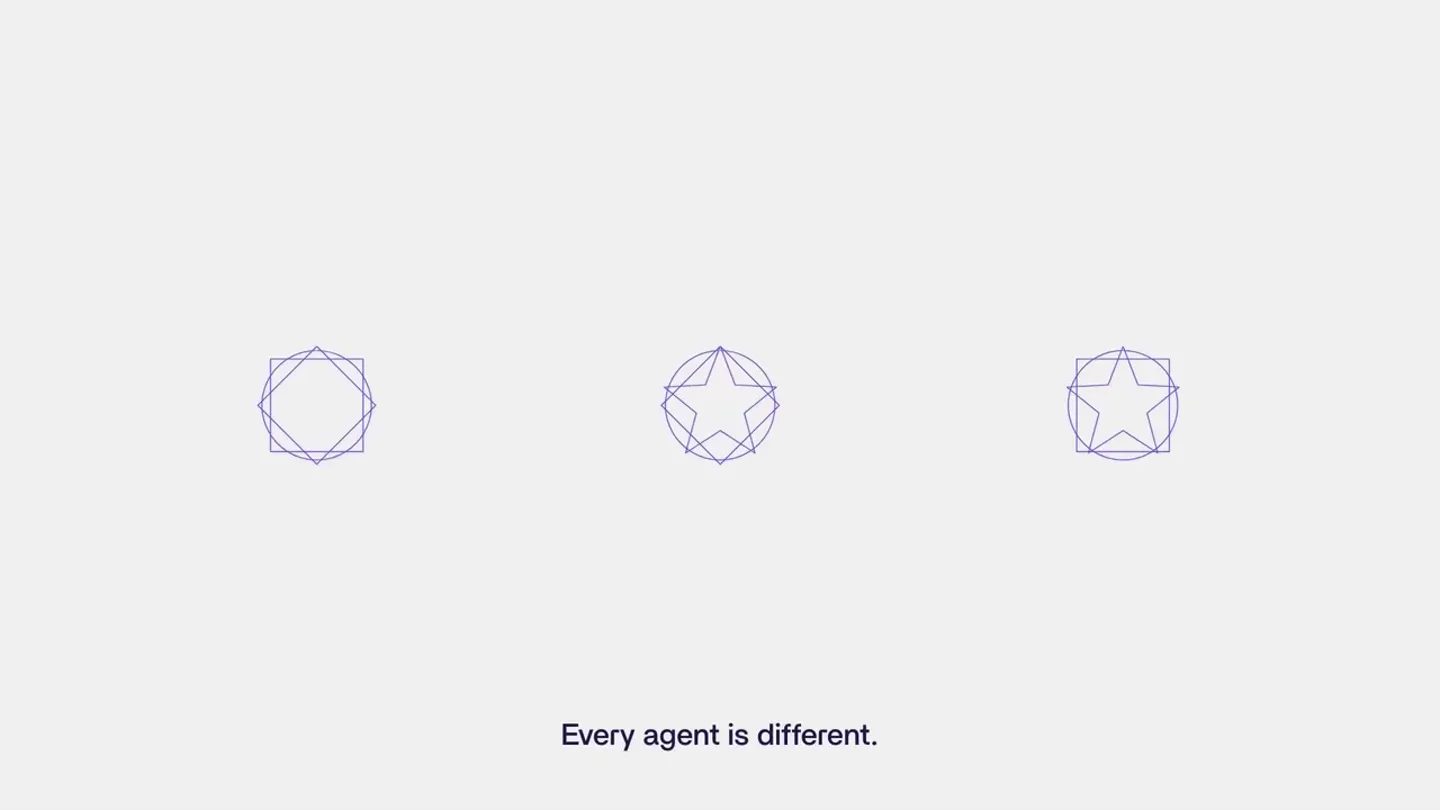
- Every agent is different. And Lemma's detection is tailored to yours. Introducing Artifacts
- Camera
- Static, centered view on abstract geometric shapes and text.
- Motion
- Generative line art animation, text fades, and scaling reveals.
Product Reveal
Artifacts: Contextual Issue Detection
“(No spoken dialogue — The driving electronic beat continues, maintaining tension. A significant riser occurs at 0:18 followed by a sub-bass impact at 0:19.)”
- On screen
- 1,255 traces processed - last generated 2:04 pm Traces Built from your prompt and traces. Prompt and traces Artifacts Issues assistant for Nimbus Resolve billing, account, and product questions and to end. Always check billing lookup before quoting any amount to a customer. Cite a help-center article for every product answer. Never issue refunds above $200 without human approval. If confidence is low, escalate with a full internal summary: what the user wants, what you tried, the suspected blocker. Tag every resolved ticket with its intent category before closing. Use AI search before answering how-to questions. Quote prices with currency. When a payment fails, distinguish sandbox mode from live mode. Weekend coverage is best-effort: SLAs pause Saturday and Sunday. You are support-agent: The customer support tr_521c9 tr_7f2241 tr_a6a21 tr_d31c9 tr_8e0d2 tr_8c11f4 Lemma maintains artifacts about how your agent works to sharpen issue detection. Agent understanding support-agent Summary Triages inbound tickets, resolves common billing and account questions on its own, and escalates anything ambiguous or high-risk to a human. Scope In scope - Billing questions: invoices, refunds, plan changes. - Account access: password resets, seats, SSO. - Product how-to answers grounded in the knowledge base. Boundaries Never issues refunds above $200 or edits enterprise contracts. Escalation On low confidence, stops drafting and hands off with an internal summary. Issue Checkout retries exceeded on the EU gateway State changes with no originating span Weekend reply latency regression Refund drafted above the $200 threshold Signals Occurrences Status 129 64 52 38 Open Open Open In review Open You can revise artifacts directly. Updated about 5 hours ago Save revisions Revisions Highlight any text in the document and click + to request a change. Or, leave Lemma re-resolve your revisions. Scope In scope - Billing questions: invoices, refunds, plan changes. - Account access: password resets, seats, SSO. - Product how-to answers grounded in the knowledge base. Boundaries Never issues refunds above $200 or edits enterprise contracts. Escalation On low confidence, stops drafting and hands off with an internal summary. Comment Cancel "Billing questions: invoices, refunds, plan changes" anything over $200 needs a human. Sharpen Detection And upload tribal knowledge only you know. Artifacts - dismissed notes 2d ago State changes with no originating span + Our memory recaching runs outside the agent, state moves with no span to explain it. Expected here. 5d ago Agent recommends items outside the slated budget + We surface one option above budget on purpose when nothing under it is in stock. 1d ago Weekend reply latency regression + Weekend coverage is best-effort by contract; SLAs pause Saturday and Sunday. Nothing as intended Acceptable edge case Known limitation Find dismissed issues here, and never get a wrong issue twice. Artifacts keep up as your agent changes. Prices from the billing DB are in cents, not dollars. YOUR EDIT
- Camera
- Dynamic camera pans and zooms across UI elements, simulating user interaction.
- Motion
- UI element reveals, text highlights, and simulated typing/editing animations.
Call to Action
Lemma: Tailored Detection
“(No spoken dialogue — A final, extended riser builds from 0:38 to 0:40, culminating in a powerful sub-bass drop/impact at 0:41.)”
- On screen
- Detection, tailored to your agent. Lemma
- Camera
- Static, centered view on text and logo reveal.
- Motion
- Text fade-in, logo build-up animation with geometric lines.
Motion design primitives
Synthesizable in Remotion · key components of the lemma-artifacts-tech-launch template.
GenerativeLineArt
Abstract geometric shapes are formed and transformed by evolving, arpeggiated lines, creating a sense of dynamic complexity and growth.
+ Code construction recipe
Utilize Remotion's <Path> and <Line> components within a loop, interpolating SVG path data or line coordinates over time. Apply `spring()` for organic movement and `interpolate()` for color and opacity changes. Consider using a canvas for more complex generative patterns.
UIDynamicReveal
User interface elements, such as text blocks, charts, and input fields, animate into view with subtle fades, slides, and scaling effects, often accompanied by simulated typing or highlighting.
+ Code construction recipe
Employ `spring()` for position and opacity transitions of individual UI components. Use `sequence()` to orchestrate staggered reveals. For typing effects, animate `text-content` or use a custom component that reveals characters sequentially.
ContextualHighlight
Specific words or phrases within text blocks are highlighted with a subtle background color or underline, simulating user interaction or system focus.
+ Code construction recipe
Wrap target text with a component that applies a background color or underline via `interpolate()` on opacity and width. Use `delay()` and `durationInFrames` to control the timing of the highlight appearance and disappearance.
Style DNA & aesthetic system
Visual aesthetic
Typography
Motion
Special effects
Pacing & rhythm
Conceptual story rhythm
- 1
The Agent's Uniqueness
Purpose. Establish the core problem: every AI agent is different, implying a need for tailored solutions.
Execution. Abstract geometric shapes morph, representing diverse agents, with text overlay introducing the problem.
- 2
Introducing Artifacts
Purpose. Present the product as the solution to the problem of tailored detection.
Execution. The product name 'Artifacts' is revealed with a dynamic animation, transitioning from abstract to concrete UI.
- 3
Deep Dive into Functionality
Purpose. Demonstrate how Artifacts uses prompts, traces, and context to sharpen issue detection and allow revisions.
Execution. Detailed UI walkthroughs showing data processing, issue identification, direct revision, and knowledge upload.
- 4
The Lemma Promise
Purpose. Reiterate the core value proposition and brand identity.
Execution. A concise summary statement followed by the Lemma logo reveal, reinforcing brand recognition.
Remix in Animatiq Studio
Master remix prompt · agent-ready
Sample remix
Objective
Launch a new data visualization platform called 'InsightFlow' that helps businesses understand complex customer journeys.How the recipe adapts
The GenerativeLineArt primitive would be adapted to visualize data streams and customer paths, morphing into abstract representations of data flow. UIDynamicReveal would showcase interactive dashboards and filtering options, with data points animating into view. ContextualHighlight would draw attention to key metrics or anomalies within the visualizations. The overall color palette would shift to reflect InsightFlow's branding, perhaps with a focus on cool blues and greens, while maintaining the clean, high-tech feel. The pacing would emphasize the clarity and ease of understanding complex data, with transitions timed to reveal new insights.Remix blueprint · lemma-artifacts-tech-launch
Scene durations (5 scenes, 44s)
Key Remotion components
Related AI Agents Product Launches
Explore all AI Agents launches →
To ensure that artificial general intelligence benefits all of humanity
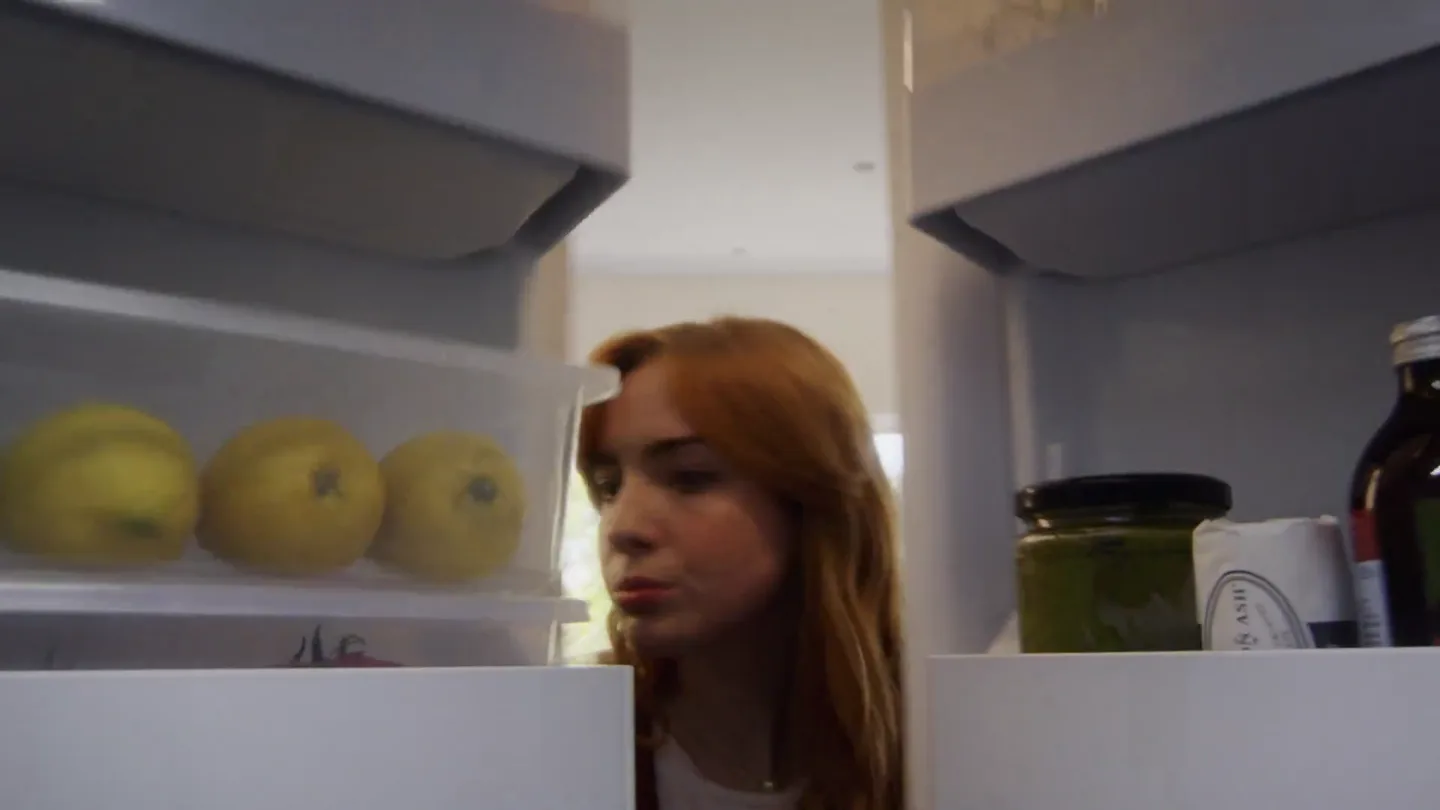
Gopuff introduces Go, an AI shopping assistant built with SpaceXAI: say what you need and the order is placed.
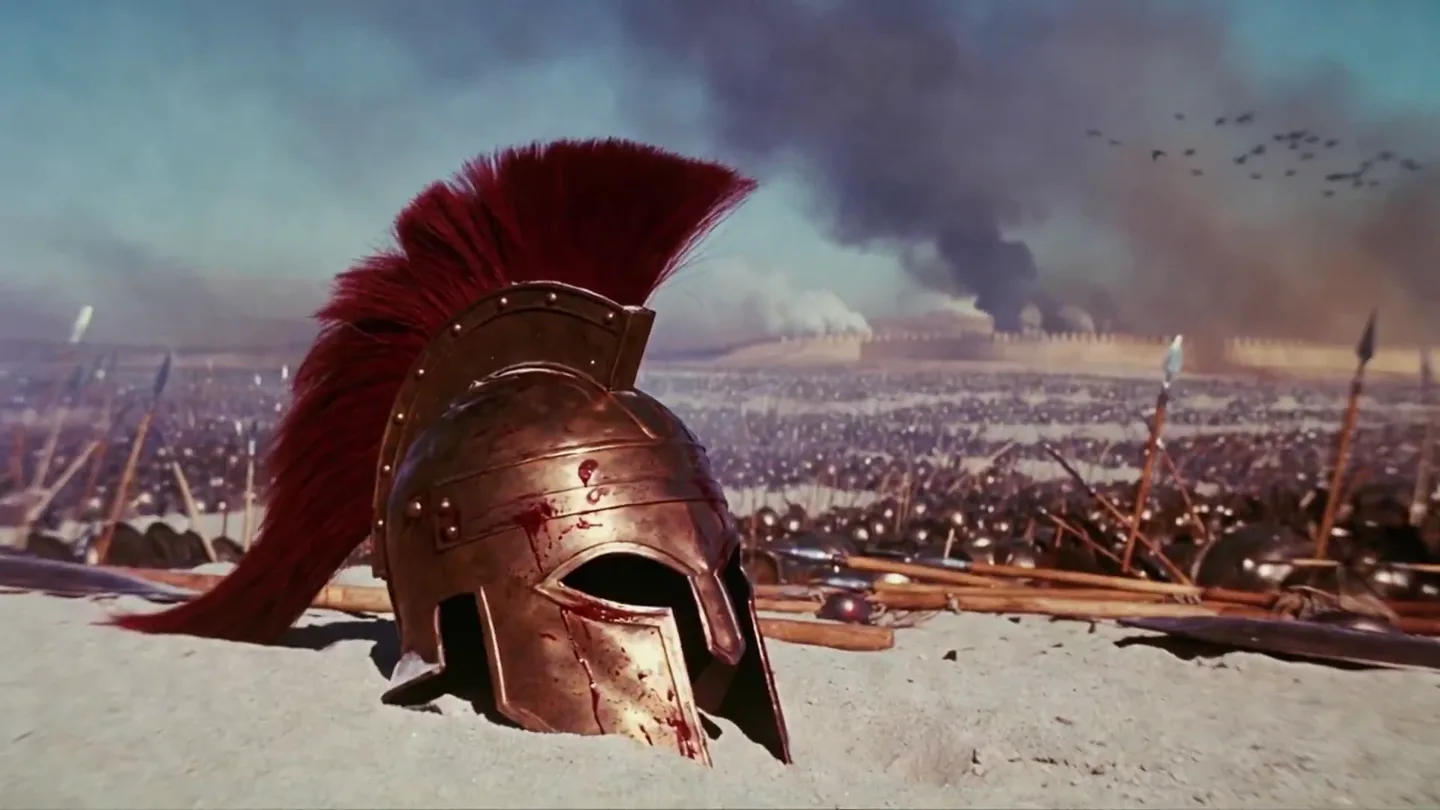
Iliad (Troy) trailer made by Grok Imagine 1.5, which was just released