
Jacob Miller · Launch Video Breakdown: Hook, Pacing & Motion Design
A bunch of people were asking how I made the effect for the "renderaissance" style page I made previously. Here's a full walkthrough of creating that depth / dynamic lighting effect for the web. In…
Scene-by-scene timeline & spoken transcript
The Hook
Interactive Depth Card Preview
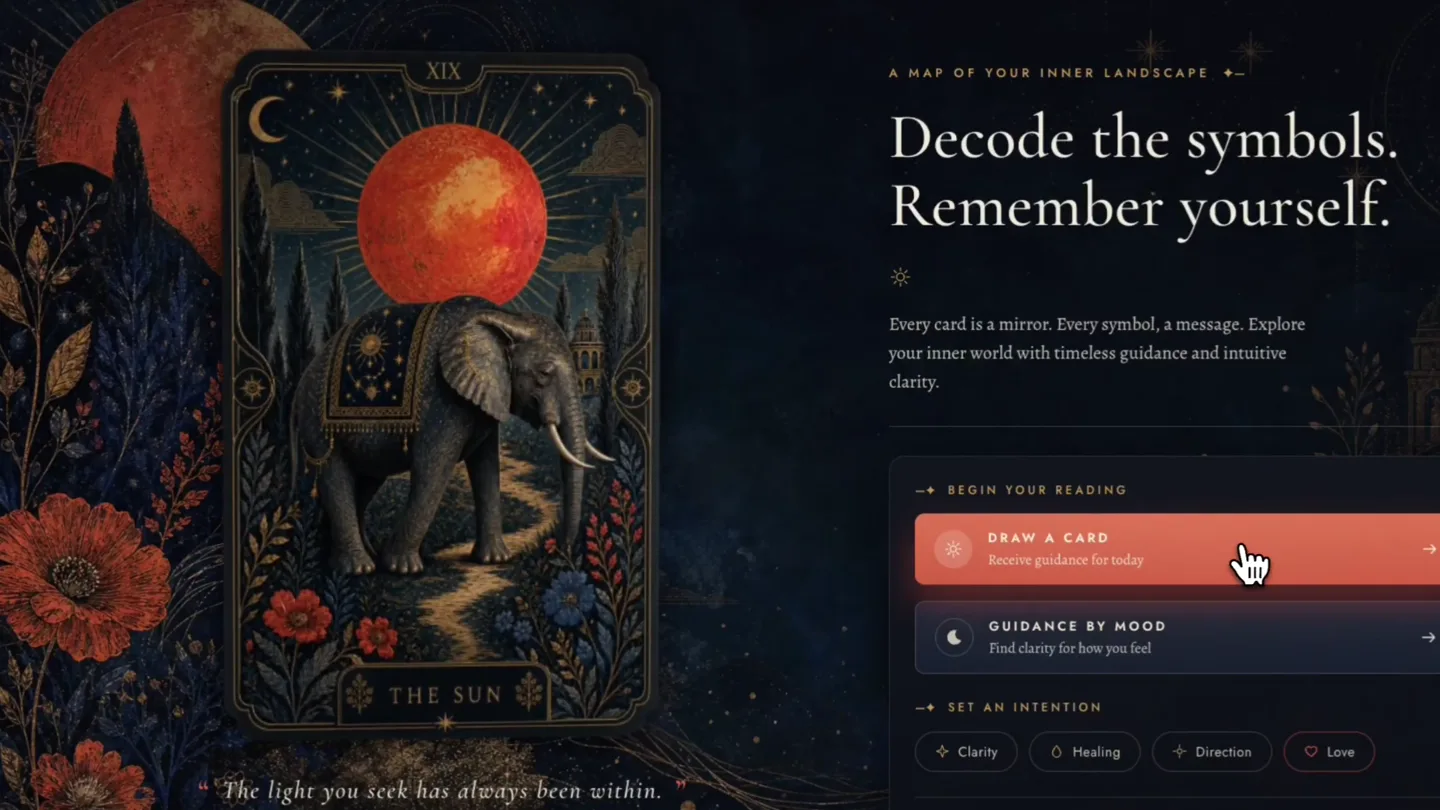
“Okay, here's a demo of how I made this effect that you saw in the previous example that I dropped. It's this cool lighting depth effect.”
- On screen
- TAROT SANCTUARY Decode the symbols. Remember yourself. THE SUN THE FOOL
- Camera
- Static screen capture with dynamic cursor tracking
- Motion
- Interactive 3D tilt and cursor-reactive normal map specular highlights
Problem Agitation
Prompting UI Canvas in Diffu
“The first thing was I just did a simple prompt for this kind of linocut inspired painting style for a tarot card site. I got an initial design for it. I looked through a couple of these to see which one I wanted. But eventually I was like cool, I'm going to go with this one that has an actual card. I'm going to animate this card and give that its depth.”
- On screen
- An interactive tarot card site, with a captivating, multi-layered aesthetic that bridges the gap between digital surrealism and classical fine art. Linocut-inspired dreamscapes and rich, textured oil paintings defined by thick, expressive brushstrokes. Dark mode.
- Camera
- Screen recording panning across node graph canvas
- Motion
- Node canvas navigation and UI iteration selection
Feature Teaser
Asset Isolation & Prompts
“So the first step is actually isolating the card itself. So what I did is I did another prompt here to say show me only the card. I made a few designs for that, and then I said show me the background without any of the actual UI elements as well.”
- On screen
- Show me the card. Make it high-res. Show me only the background art without any UI
- Camera
- Zoomed canvas view focusing on prompt node connections
- Motion
- Node-based branching workflow visualization
Feature Teaser
Generating Card Variants & Prompt Export
“Once I had those elements, I was able to then go ahead and create all the other cards from that card source of truth. So I created three other cards as well as a card background. Once I had all of these designs, I just selected all of them, and then I right-clicked and said copy for agent.”
- On screen
- Scaled Card Preview THE SUN Tarot Card Shador THE FOOL Tarot Card Lovers THE LOVERS Hermit Tarot Card THE HERMIT Card Back Artwork Copied prompt for agent
- Camera
- Wide view of multi-card node tree followed by context menu click
- Motion
- Context menu interaction and clipboard toast trigger
Product Reveal
Agent Prompting in Fable
“This basically created an interactive prompt for the agent to actually go and build this out. I then pasted that over into Fable, and then I created some additional rules here around hey, want you to use the backgrounds that are provided as well as the separate cards. I also want you to generate normal, roughness, and height maps for each of these.”
- On screen
- Create a web page implementation from the following instructions: For the page above, I want you to animate the cards in when you click the draw card button. Additionally, in the link is an extracted background for you to use for the bg... I want you to generate normal, roughness, and height maps for each of the cards...
- Camera
- Static text input box with fast keystroke entry
- Motion
- Simulated terminal typing and instruction prompt composition
Feature Teaser
Diffu MCP Tooling & Generation Logs
“which the little Diffu MCP that I'm using for this can do natively. You can install that here. But once that happened, the agent finished, it generated all the maps, it did all the lighting effects, it connected to the mouse, everything else.”
- On screen
- diffu.ai Designs, directly in your agent. npx diffui.ai Done — the chain animation is in and working. Next up I will review dynamic lighting with shaders.
- Camera
- Browser scroll across installation page cutting to terminal logs
- Motion
- Rapid terminal log scrolling and page transition cut
Call to Action
Live Shader Demo & Fal.ai Patina Model
“And here was the result. So you actually see a pretty cool little interactive card example. It's crazy how good this effect is, but it's actually pretty simple to do. Go and check it out. It actually uses Fal.ai's Patina model under the hood, which is a really, really good model out there for actually separating out different maps from an image source of truth.”
- On screen
- TAROT SANCTUARY Decode the symbols. Remember yourself. DRAW A CARD THE SUN THE FOOL THE LOVERS THE HERMIT
- Camera
- Static full-screen web UI view with mouse-driven interactions
- Motion
- Interactive WebGL surface shader with dynamic specular, normal bump, and card flip sequence
Motion design primitives
Synthesizable in Remotion · key components of the interactive-card-depth-showcase template.
DynamicLightingShaderCard
Simulates 3D card tilt and cursor-following specular light using normal and height map shaders.
+ Code construction recipe
Use Three.js Canvas inside Remotion with CustomShaderMaterial fed by normal/roughness textures and mouse coordinates.
NodeGraphPanZoom
Smoothly transitions view between infinite canvas node layouts and detailed prompt cards.
+ Code construction recipe
Animate canvas scale and transform translate using spring curves based on frame numbers.
CardDrawTransition
Fades out current card, rotates, and brings in the next card from the deck on button click.
+ Code construction recipe
Interpolate opacity, rotateY, and scale on card change trigger frame.
Style DNA & aesthetic system
Visual aesthetic
Typography
Motion
Special effects
Pacing & rhythm
Conceptual story rhythm
- 1
Hook
Purpose. Capture interest with the final interactive visual effect.
Execution. Immediate mouse interaction showcasing depth reflection.
- 2
Asset Workflow
Purpose. Explain visual asset generation and node graph extraction.
Execution. Diffu canvas zoom into prompts and card outputs.
- 3
Agent Instructions
Purpose. Demonstrate automating the shader code and map generation via AI agent.
Execution. Typing structured agent prompt in Fable UI.
- 4
Final Showcase
Purpose. Validate the final build and credit the underlying model.
Execution. Clicking through card deck with live interactive lighting.
Remix in Animatiq Studio
Master remix prompt · agent-ready
Sample remix
Objective
Showcasing a 3D holographic trading card marketplace web feature.How the recipe adapts
Replace tarot artwork with futuristic sci-fi trading cards, swap the warm linocut palette for neon cyan and magenta, and apply the dynamic shader to simulate foil reflection.Remix blueprint · interactive-card-depth-showcase
Scene durations (5 scenes, 102s)
Key Remotion components
Related Tech & SaaS Product Launches
Explore all Tech & SaaS launches →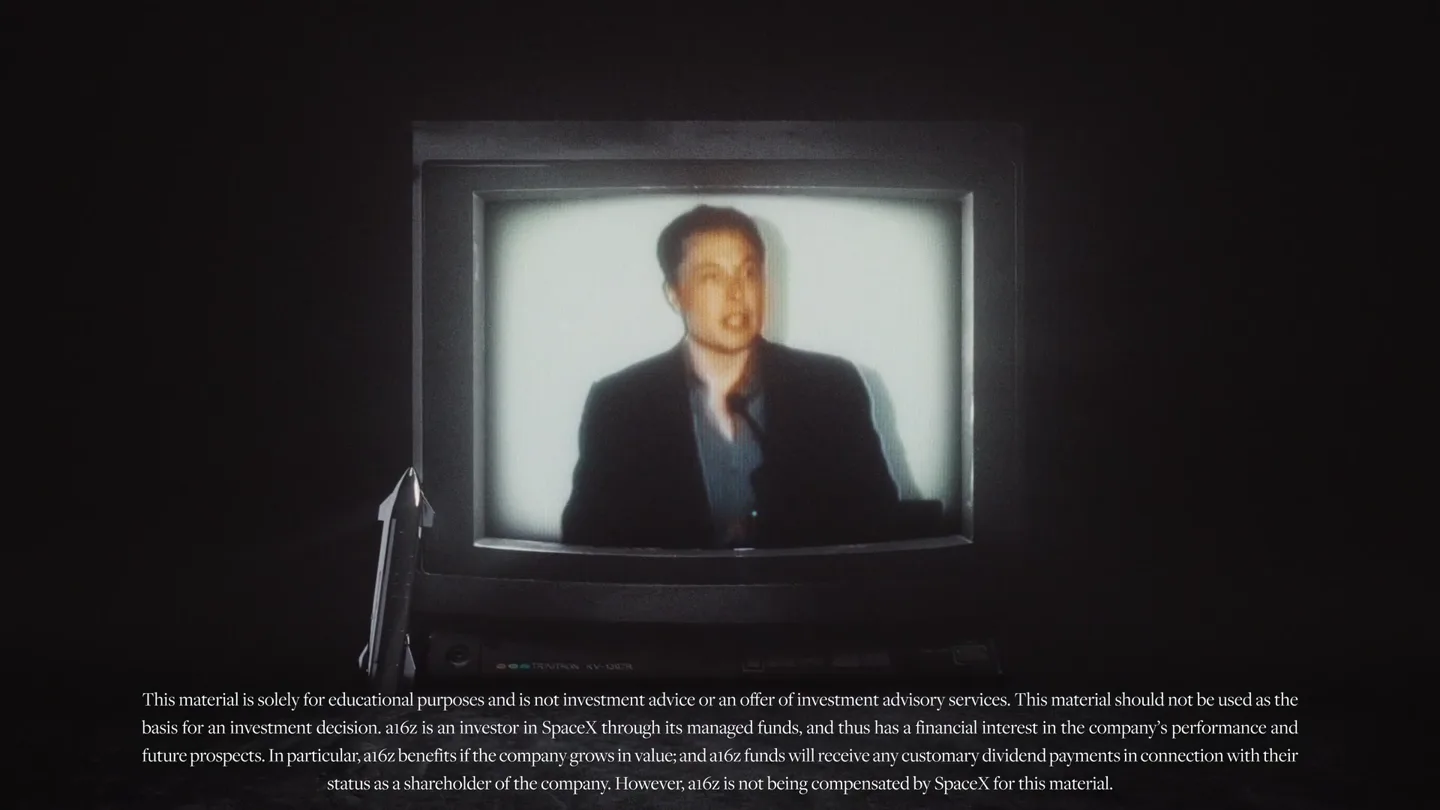
Against all odds. Congrats @elonmusk and @SpaceX.
Unreal Engine 6 has been announced with Rocket League.
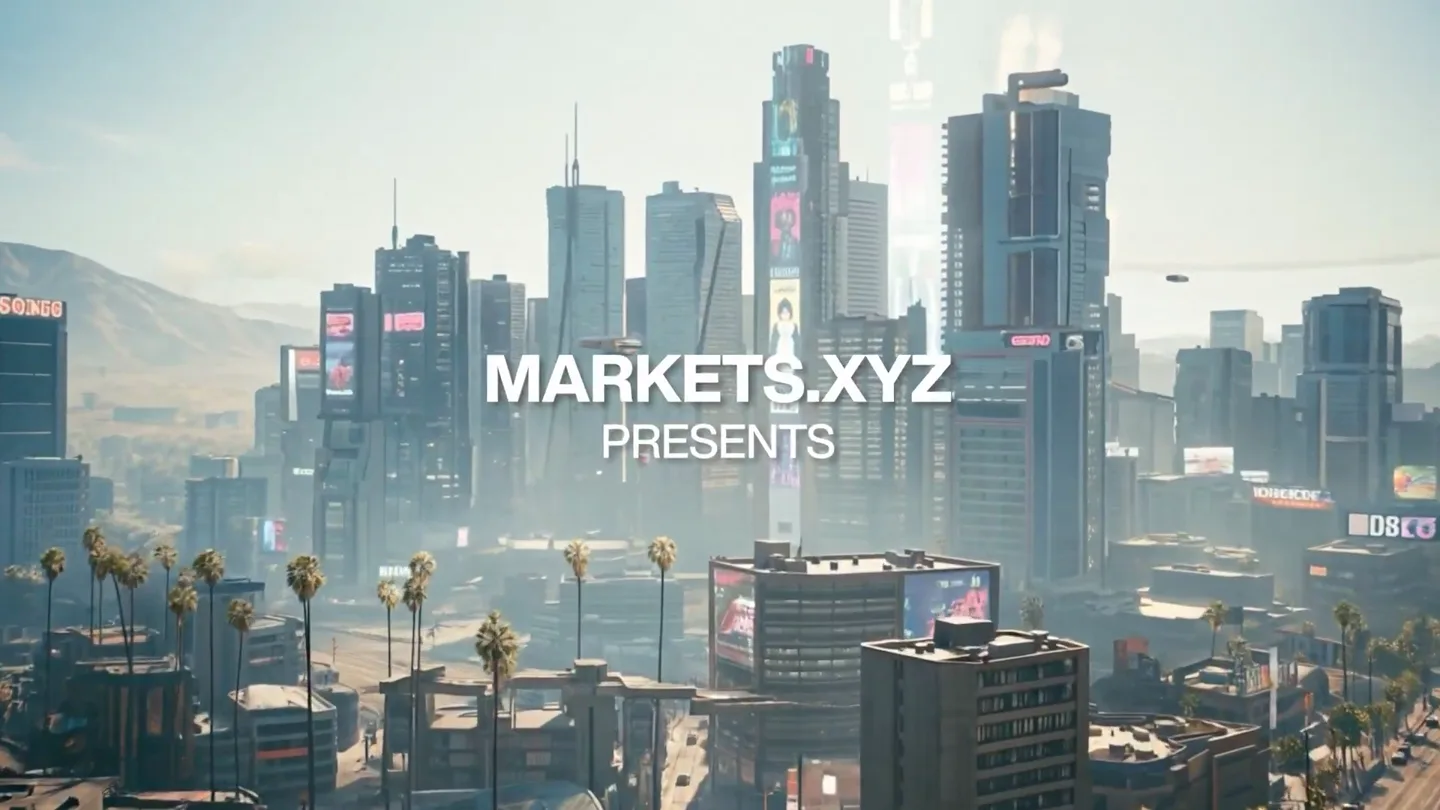
Trade 24/7 with a social feed and onchain signals.