

Agentation · Launch Video Breakdown: Hook, Pacing & Motion Design
Layout mode to explore and wireframe directly on the page.
Scene-by-scene timeline & spoken transcript
The Hook
Interactive UI Element Reveal
“(No spoken dialogue — Pizzicato synths and sub-bass intro, leading to a high-energy riser and sweep at 0:00.800, culminating in a sub-bass drop/impact at 0:01.200.)”
- On screen
- (No on-screen text)
- Camera
- Close-up on a UI control bar, slightly off-center, with a subtle background gradient shift.
- Motion
- Quick zoom-in and pan, with a cursor interaction highlighting a specific icon. Background color subtly shifts.
Product Reveal
Direct-on-Page Wireframing
“(No spoken dialogue — Ambient electronic score continues with pizzicato synths and sub-bass.)”
- On screen
- Suggested Resize 104 x 34
- Camera
- Wider shot revealing a blank webpage canvas. Camera subtly tracks the cursor as it interacts with elements.
- Motion
- Elements appear with a soft fade-in and scale-up. A bounding box with resize handles animates around a UI component, demonstrating direct manipulation.
Feature Teaser
Intuitive Element Manipulation
“(No spoken dialogue — The electronic score maintains its rhythm, with a subtle riser around 0:08.000.)”
- On screen
- Suggested Resize 104 x 34 Suggested Move
- Camera
- Camera remains focused on the webpage, following the cursor's path as it drags and drops elements.
- Motion
- A bezier curve path animation illustrates the 'suggested move' of an element. Elements snap into place with a subtle spring effect. The 'Suggested Resize' box remains visible in the corner.
Call to Action
Layout Mode & Component Selection
“(No spoken dialogue — Percussive elements increase slightly after the riser, maintaining the ambient electronic score.)”
- On screen
- Layout Mode Rearrange and resize existing elements, add new components, and explore layout ideas. Agent results may vary. Wireframe New Page Layout Navigation Header Hero Section Sidebar
- Camera
- Camera zooms out slightly to reveal a contextual menu. Cursor highlights menu items.
- Motion
- A modal dialog slides in from the bottom, revealing detailed options. Menu items highlight on hover with a subtle glow. The scene ends with a quick fade to white, revealing a final element.
Motion design primitives
Synthesizable in Remotion · key components of the direct-manipulation-ui-showcase template.
InteractiveBoundingBox
A blue bounding box with resize handles appears around a UI element, displaying dimensions. It animates to show resizing and repositioning.
+ Code construction recipe
Use `interpolate` for scaling and positioning of the box and text. Implement `spring` for the snap-to-grid behavior of elements. SVG paths can draw the resize handles and connecting lines.
BezierPathFollow
A blue bezier curve animates to show the suggested path of a dragged UI element, with a 'Suggested Move' label appearing along the path.
+ Code construction recipe
Utilize `SVGPathElement` for drawing the curve. Animate a small circle or arrow along the path using `getPointAtLength` and `interpolate` for position and rotation. Text labels can follow the path with `textPath`.
ContextualModalSlide
A dark, rounded rectangular modal slides up from the bottom of the screen, revealing text and interactive menu items.
+ Code construction recipe
Employ `interpolate` for the Y-position and opacity of the modal. Menu item highlights can use `withSequence` and `spring` for a subtle hover effect. Text can fade in with a slight delay.
Style DNA & aesthetic system
Visual aesthetic
Typography
Motion
Special effects
Pacing & rhythm
Conceptual story rhythm
- 1
The Interactive Tease
Purpose. Immediately grab attention by showcasing a core interactive element and hinting at the product's capability.
Execution. Close-up on a UI control, cursor interaction, and a quick, impactful audio drop.
- 2
Problem-Solving in Action
Purpose. Demonstrate the product's primary function: direct manipulation and wireframing on a live page.
Execution. Elements being resized and moved with visual feedback like bounding boxes and dimension displays.
- 3
Guided Workflow
Purpose. Illustrate the intuitive nature of the tool, showing how it guides users through complex actions.
Execution. Bezier path animations for suggested moves, and elements snapping into place.
- 4
Feature Deep Dive & Call to Explore
Purpose. Unveil more advanced features and encourage users to explore the product's full potential.
Execution. Contextual menus sliding in, revealing 'Layout Mode' details and component selection options.
Remix in Animatiq Studio
Master remix prompt · agent-ready
Sample remix
Objective
A new AI-powered code refactoring tool that allows developers to visually drag and drop code blocks to reorganize functions.How the recipe adapts
The 'InteractiveBoundingBox' primitive would be adapted to highlight code blocks, showing suggested refactoring dimensions. 'BezierPathFollow' would illustrate the movement of code blocks between functions, with 'Suggested Refactor' labels. The 'ContextualModalSlide' would be used for an AI-generated refactoring suggestion menu, allowing developers to accept or modify changes. The background would feature a subtle code editor theme gradient, and the typography would remain a clean Grotesque Sans-serif for code comments and UI elements.Remix blueprint · direct-manipulation-ui-showcase
Scene durations (4 scenes, 13.2s)
Key Remotion components
Related Developer Tools Product Launches
Explore all Developer Tools launches →
xAI opens voice cloning on its API: build a custom voice in about two minutes or pick from 80+ voices in 28 languages.
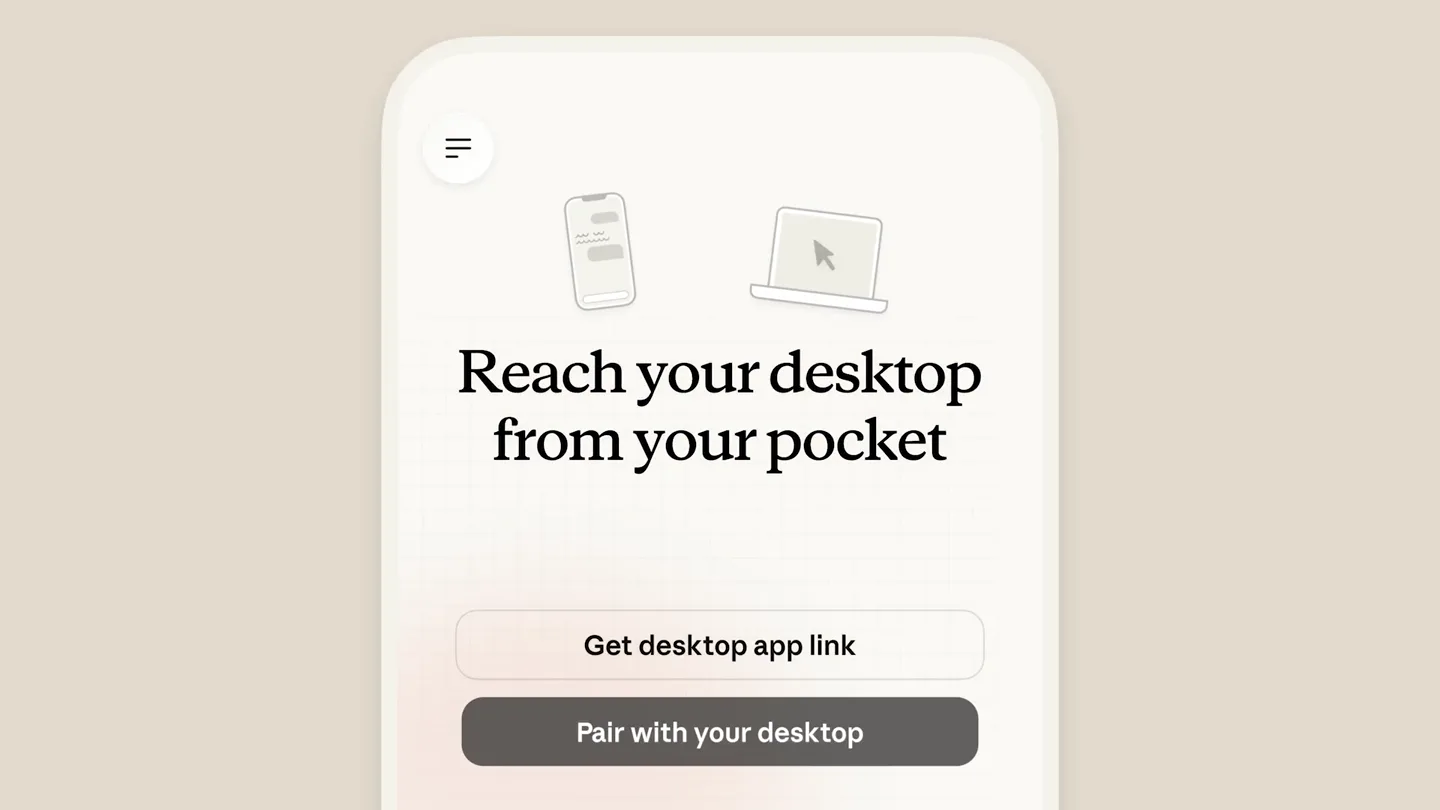
Claude can now operate your Mac, opening apps, browsing and filling spreadsheets, as a research preview in Cowork and Claude Code.

Agentic CLI for coding, building apps, and automating workflows.