
plutos · Launch Video Breakdown: Hook, Pacing & Motion Design
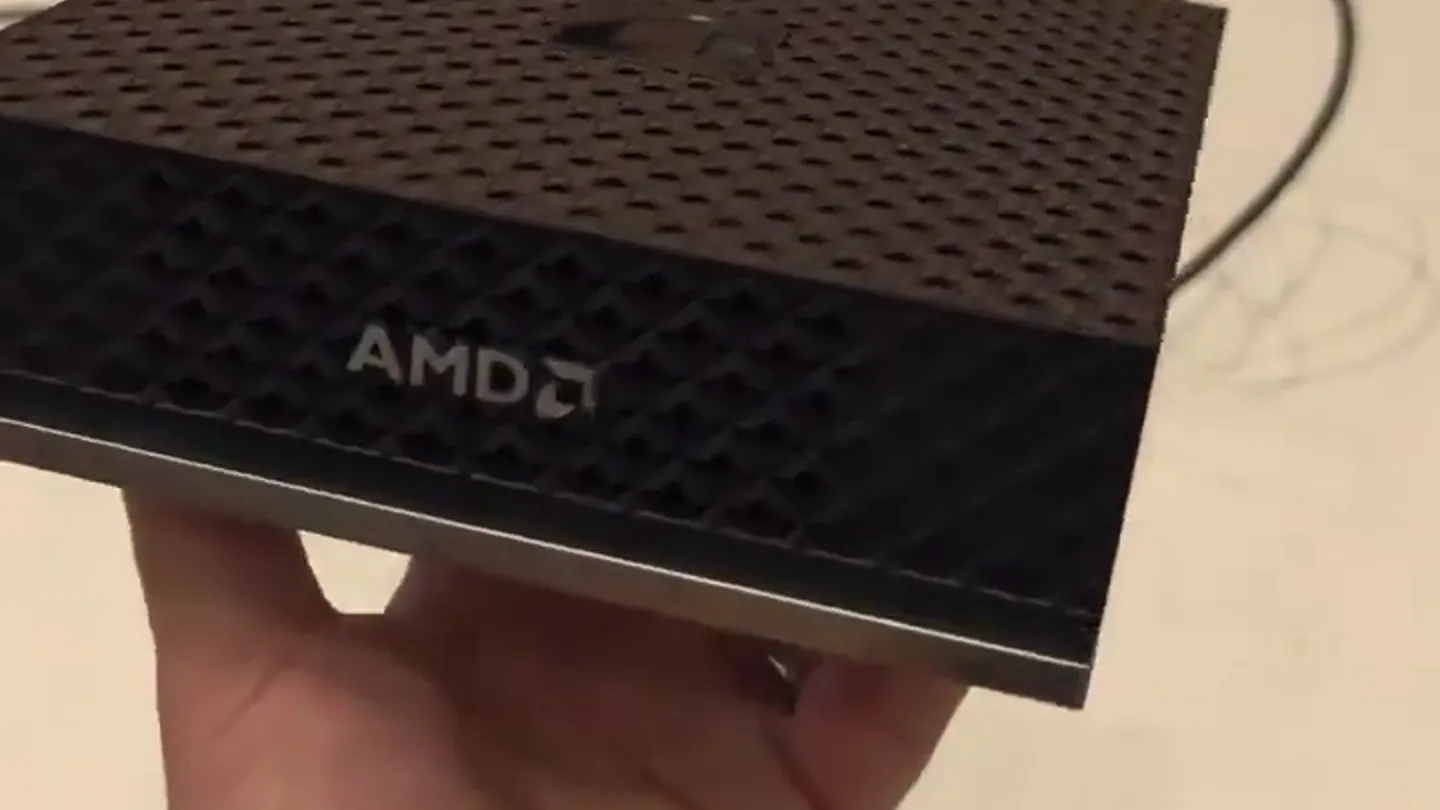
What Lisa Su actually held on stage: A mini PC the size of a lunchbox running Qwen3-235B locally, with no cloud and no discrete GPU Inside: the Ryzen AI Max+ 395, 128GB unified memory, 110GB usable…
Scene-by-scene timeline & spoken transcript
The Hook
Introducing the AMD Ryzen AI Halo Mini PC
“So this is what Lisa Su actually held on stage. This is the AMD Ryzen AI Halo. This is a concept mini desktop PC.”
- On screen
- AMD
- Camera
- Handheld close-up shot, slowly rotating the mini PC to reveal its design and ports.
- Motion
- Product showcase with subtle rotation and zoom, emphasizing physical form factor.
Product Reveal
Unpacking the Power: CPU, GPU, and Memory
“It's got the Ryzen AI Max+ 395, 128GB of unified memory, 110GB usable. It's got the Radeon 780M integrated GPU.”
- On screen
- (No on-screen text)
- Camera
- Continued handheld rotation, focusing on the device's various angles and the AMD logo.
- Motion
- Dynamic product reveal, highlighting key specifications through spoken dialogue while visually presenting the device.
Feature Teaser
Local AI Capabilities and Performance
“It's running Qwen3-235B locally, with no cloud and no discrete GPU. This thing is a beast for AI development.”
- On screen
- (No on-screen text)
- Camera
- The camera maintains a close-up on the mini PC, with slight adjustments to show different sides as the speaker elaborates.
- Motion
- Feature-focused presentation, using the physical product as a visual anchor for technical details.
Call to Action
The Future of AI Development
“It's got a 200-watt power supply. It's the size of a lunchbox. This is what you want for AI development.”
- On screen
- (No on-screen text)
- Camera
- The mini PC is held steadily, allowing viewers to absorb the final details and the product's compact size.
- Motion
- Reinforcement of product benefits and target audience, concluding with a clear value proposition.
Motion design primitives
Synthesizable in Remotion · key components of the compact-tech-product-showcase template.
ProductOrbitReveal
A handheld product is slowly rotated and subtly zoomed, allowing viewers to inspect its physical details and ports from multiple angles.
+ Code construction recipe
Utilize `interpolate` for smooth rotation (Y-axis) and slight scale changes. Implement a `spring` animation for subtle, organic camera movements to mimic handheld feel. Use `Camera` component for perspective control.
SubBassImpactTransition
A quick, upward-sweeping synth riser culminates in a subtle sub-bass impact/drop, coinciding with a key spoken phrase.
+ Code construction recipe
Synchronize audio events with visual cues. Use `Audio` component to trigger a `Sequence` of visual effects. A subtle camera shake or a brief, low-frequency visual pulse (e.g., a background glow or vignette) can be animated using `interpolate` and `spring` for the 'impact'.
DetailHighlightPan
The camera subtly pans across specific features or ports of the product while it is being held, drawing attention to the details being discussed.
+ Code construction recipe
Employ `interpolate` for smooth camera position (X, Y) and target adjustments. This can be achieved by animating the `target` and `position` properties of the `Camera` component, or by animating the `transform` properties of the product itself within a static camera view.
Style DNA & aesthetic system
Visual aesthetic
Typography
Motion
Special effects
Pacing & rhythm
Conceptual story rhythm
- 1
The Unveiling
Purpose. Introduce the product and establish its physical presence and compact size.
Execution. A close-up, handheld shot of the mini PC, slowly rotating to reveal its form factor and the AMD branding.
- 2
Technical Deep Dive
Purpose. Detail the core components and specifications that power the device.
Execution. Continued rotation of the product, with the camera subtly highlighting ports and design elements as the speaker lists CPU, GPU, and memory.
- 3
AI Capability Showcase
Purpose. Demonstrate the product's unique selling proposition: local AI processing without cloud dependency.
Execution. The product is held steady, allowing the audience to visually connect the physical device with its advanced AI capabilities.
- 4
Value Proposition & Call
Purpose. Summarize the product's benefits and its ideal use case, reinforcing its appeal.
Execution. Final steady shots of the mini PC, emphasizing its 'lunchbox size' and suitability for AI development.
Remix in Animatiq Studio
Master remix prompt · agent-ready
Sample remix
Objective
Launch a new portable smart projector for home entertainment.How the recipe adapts
The portable smart projector would be held and slowly rotated in a similar handheld style, showcasing its compact size, lens, and connectivity ports. The male voiceover would detail its lumen output, battery life, and smart features. The ambient electronic score would underscore the relaxed home entertainment vibe, with a subtle audio transition when discussing its 'smart' capabilities or a new projection technology. The visual focus would be solely on the projector, allowing its design and features to speak for themselves.Remix blueprint · compact-tech-product-showcase
Scene durations (4 scenes, 31.3s)
Key Remotion components
Related Developer Tools Product Launches
Explore all Developer Tools launches →
xAI opens voice cloning on its API: build a custom voice in about two minutes or pick from 80+ voices in 28 languages.
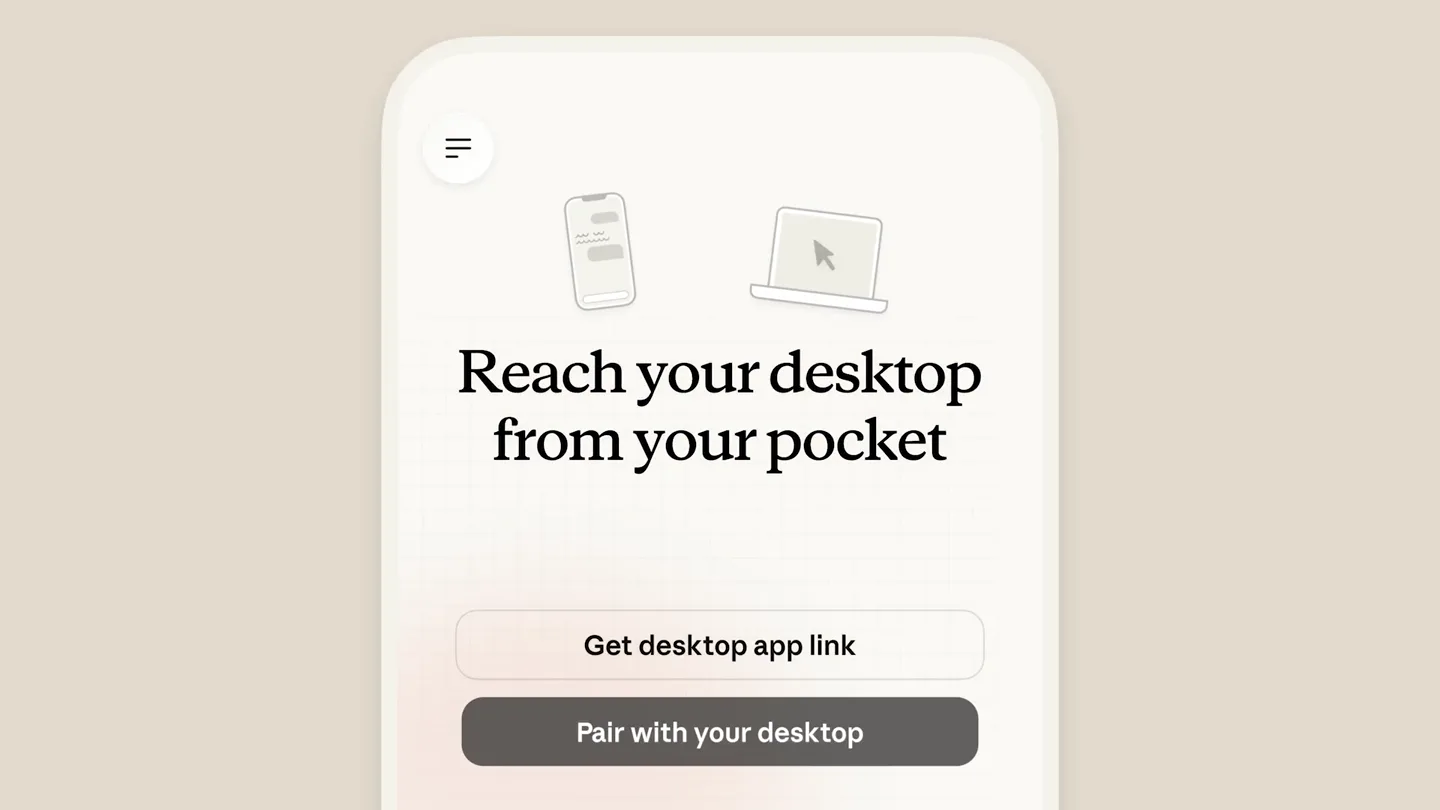
Claude can now operate your Mac, opening apps, browsing and filling spreadsheets, as a research preview in Cowork and Claude Code.

Agentic CLI for coding, building apps, and automating workflows.