
Claude Opus 5.5 Video Directory
Page 7 of 10. Animations that creators and developers made with Claude Opus 5.5 and shared on X. Every video links to its creator's profile and original post, next to the prompt they used.
Claude Opus 5.5 Videos (Page 7)
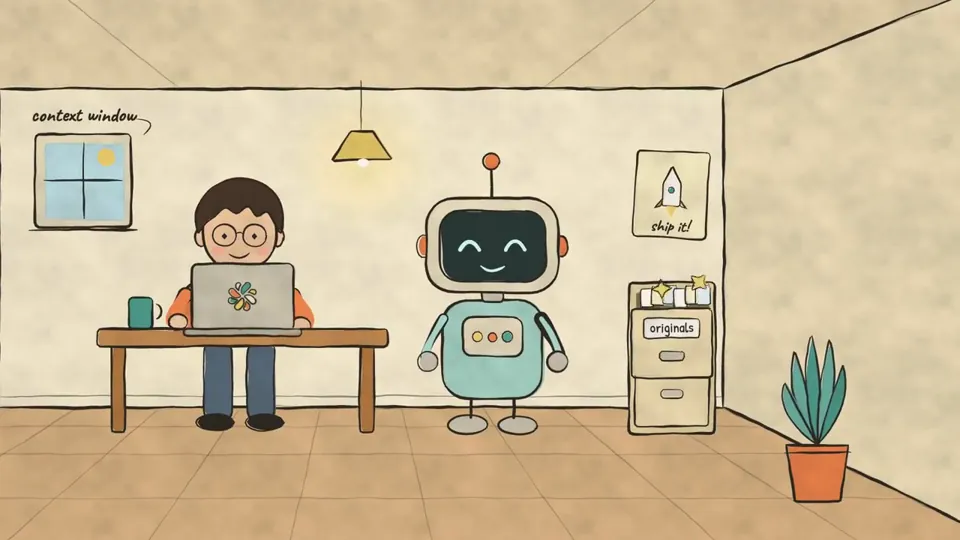
Tried to jump on the explainer video "made entirely with Opus 5.5" bandwagon. Accidentally didn't include an OpenRouter API key. Opus decided to just do everything itself. The result is insane $0 additional cost. Prompt in next post
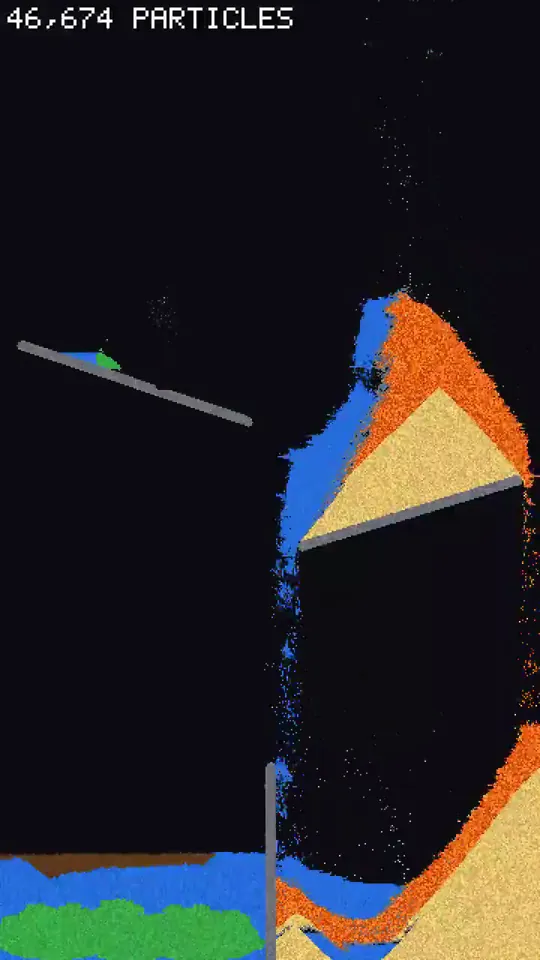
🚨 Opus 5.5 is the best model launch in 2026 this entire physics engine is one HTML file. sand, water, oil, fire, lava, plants, steam. 108,000 particles at 60fps. built with Opus 5.5. prompt in the replies 👇 follow @cyrilXBT
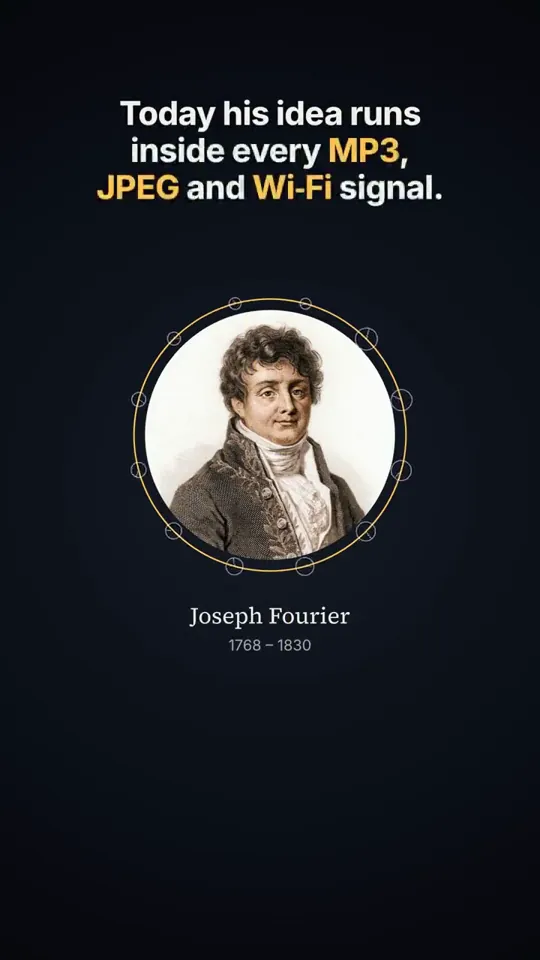
fourier series were hard to learn back in university (2 years ago) and they are fun! what unlocks @HyperFrames_ + @claudeai Opus 5.5 is that you can get the best explainer videos just with 1 prompt you are curious about something? ask claude!
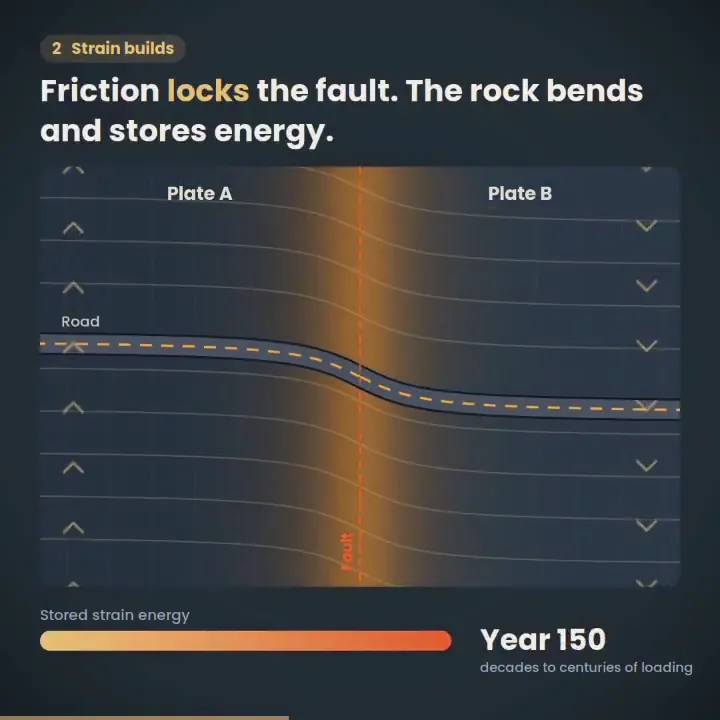
I asked Claude Opus 5.5 to explain the earthquake physics as an animation. This is what it built, physically accurate strain profile included. #opus5 @AnthropicAI @claudeai

Tried Opus 5.5 to explain the Mid-Autumn Festival 🌕 From ancient traditions to mooncakes and family reunions, I turned the story into a short animated video. The message is simple: No matter how far apart we are, make time for the people we miss. What do you think of the result?
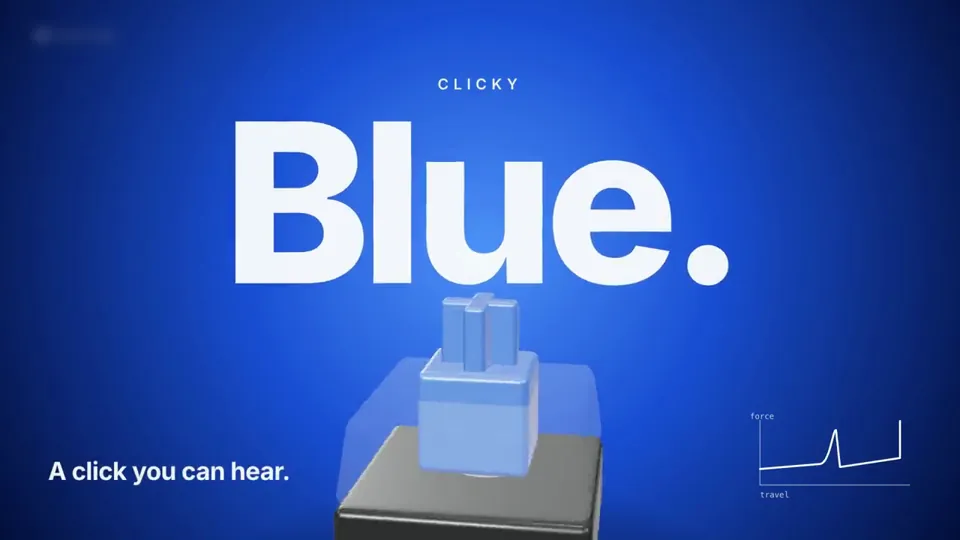
Asked claude Opus 5.5 to make an explainer on how a mechanical keyboard works. It wrote the music in code, used real switch recordings as the beats, built the 3D in @threejs and timed every cut to the beat. No stock footage. no editing app. What a time to be alive!
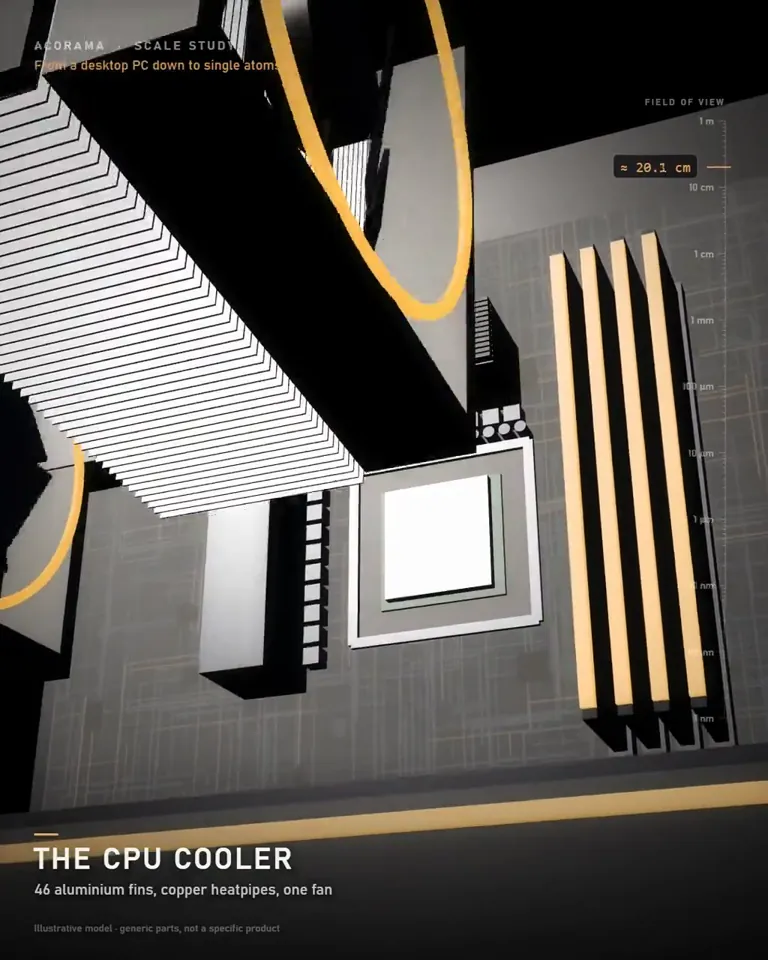
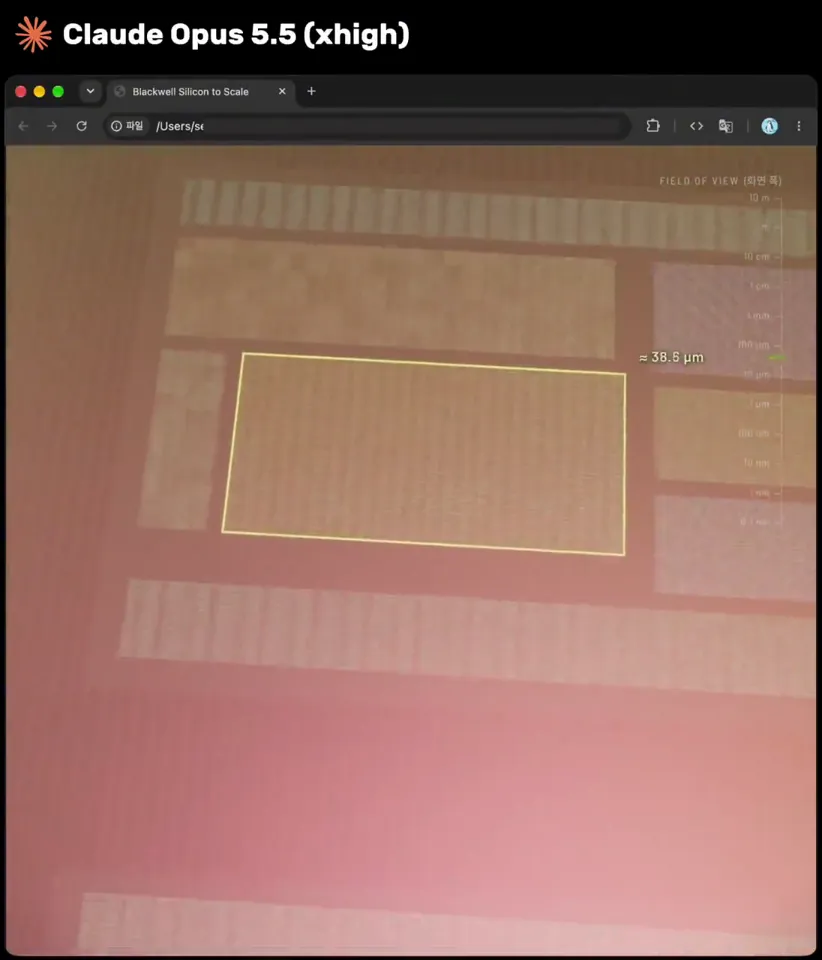
I TRIED MAKING A 3D MOTION GRAPHIC WITH CLAUDE OPUS 5.5. THIS IS WHAT CAME OUT. The idea was simple: start at my desk and don't stop zooming until we hit a single atom inside the CPU. Opus 5.5 took it and just kept going. Into the PC case. The cooler lifts off. The CPU under it. The metal lid comes off. Then the silicon die, one core, the copper wiring stacked on top, rows of logic cells, the fins and gates of the transistors… …all the way down to one silicon atom, bonded to its four neighbours. One continuous shot, no cuts. The ruler on the right tracks the scale the whole time: from about a metre down to about 2 nanometres. And the part that still gets me: every frame of this is 3D rendered right in a browser, from code. No Blender, no After Effects, no stock footage. A year ago this would have been a studio job. Now it's one conversation. Opus 5.5 is on another level.
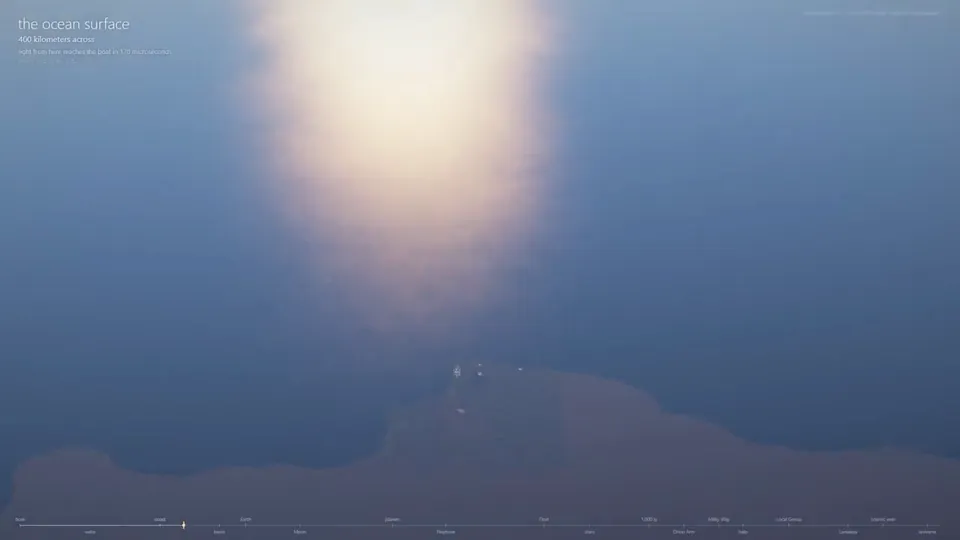
From Cabo da Roca to observable universe. I gave opus 5.5 old prompt I prepared for Fable but I was not satisfied with the results. I asked model to create a cinematic film that zooms out from a hillside on Earth to the full observable universe using @threejs No external assets. Time: ~3h Output tokens: 662,769 Cache: 125.6M read, 2.0M written; API-equivalent cost: about $54.52: output $13.26, cache reads $25.12, cache writes $16.14
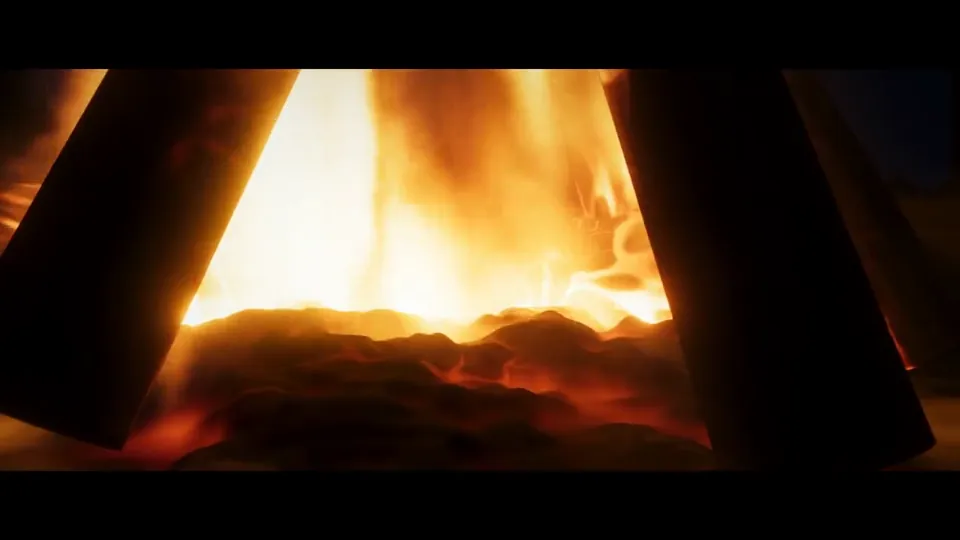
I asked opus 5.5 in @agnt_gg for the most realistic fire it could build using ONLY javascript. It wrote a real 3D fluid simulation that runs on the GPU. The flame colors come from blackbody physics, the smoke is real volume, it runs at 96 fps in 1080p, and it critiqued its own renders about 40 times. Then it shot a 38 second film of it. The sound comes from the fire itself. 🔥 Details: - Nothing faked. The fire is actual simulated gas that burns, heats up, rises, and swirls. It gives off soot that glows, and the soot that escapes cools into smoke. Every frame is computed on the GPU. - The AI graded its own work: render a frame, have a vision model pick it apart like a VFX supervisor, fix it, repeat. It caught a flame that kept dying, ring shaped artifacts on the ground, and coals that looked like cheese chips. - The film isn't screen recorded. Each frame is rendered offline with scripted camera moves. The crackle and roar come from how brightly the fire burns in each frame. - No Blender, no stock footage, no sound library. One HTML file, one conversation.
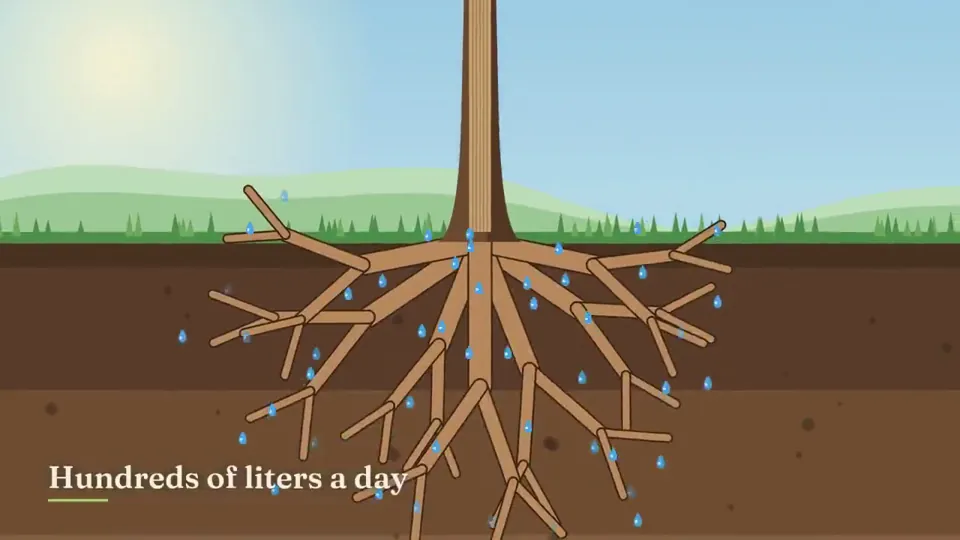
//Like most of you// I asked opus 5.5 (medium) to generate animation to explain "Tree as an ecosystem" with AUDIO - no fancy prompts just oneliner prompt - and it created this
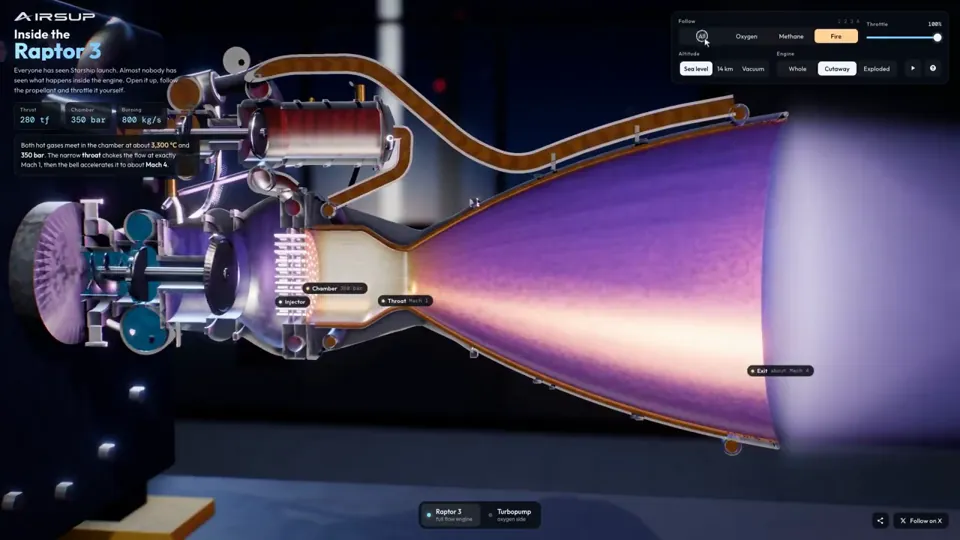
I asked Claude Opus 5.5 to explain how a rocket engine works by building an interactive Raptor 3 you can take apart in your browser. Cut it open, follow the oxygen and the methane through both turbopumps, then throttle it and watch the shock diamonds move. http://airsup.ai/rocket-engine

Claude Opus 5.5 で、ドパガキ用のグラフィックの動画作りが流行っているので、物理演算で落ち着いた音づくりにも挑戦してみました。 弦、笛、太鼓、鈴、水の泡。物理演算できる音をコードにして鳴らしています。映像作りだけではありません。音の表現にも一段工夫を凝らしたい。そんな人はチャレンジしてみる価値があると思います。 グラフィックの動画を作っている人は、ひと味違うサウンドエフェクトも試してみてはどうでしょうか。 #ClaudeCode #物理演算 #Opus
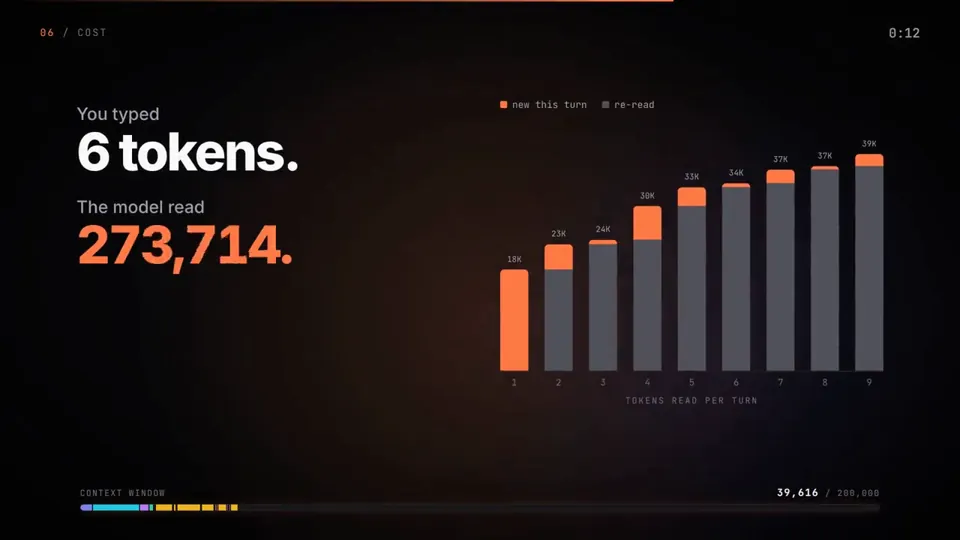
I asked Opus 5.5 to explain how a coding agent works in 40 seconds. never been this shocked. It animated the whole thing, wrote the music, and landed every cut on the beat. one message in Claude Code, 14 minutes. Workflow is in the comments 👇
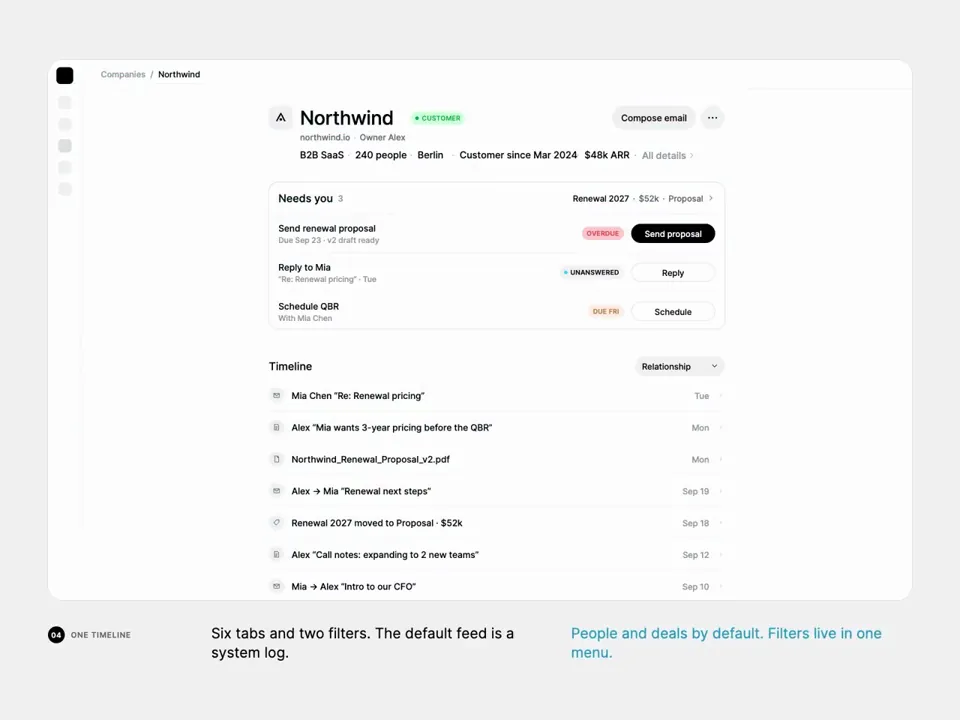
I was struggling to explain my UX decisions in interviews, so I made this kind of animation with Opus 5.5 Anyone want the skill?
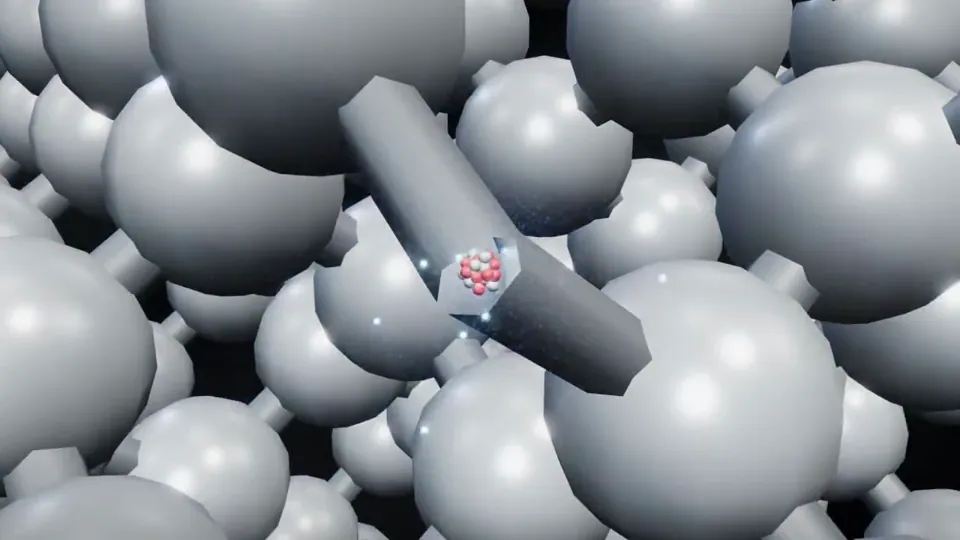
Opus 5.5 just turned a smartphone into a 20-second trip from glass to atoms. It starts on the phone, dives through the motherboard and chip, then keeps going through the semiconductor structure until you’re basically staring at the atomic scale. This is the kind of 3D shot that normally looks like a whole studio touched it. Instead, Opus 5.5 built the sequence. That’s fucking ridiculous.
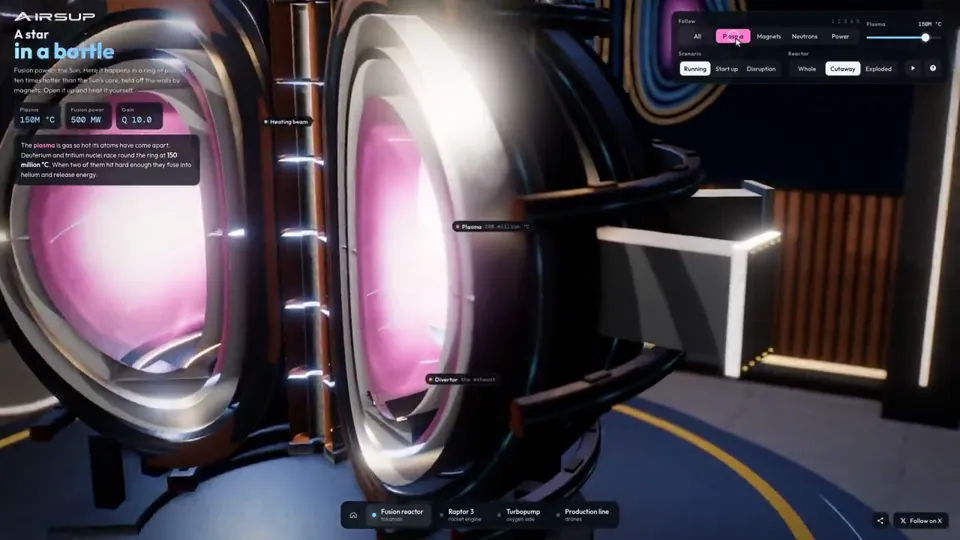
I asked Claude Opus 5.5 to explain how a fusion reactor works by building one you can take apart in your browser. Drag the plasma from 15 million °C, the heat of the Sun's core, to 150 million and watch a city light up. https://airsup.ai/lab
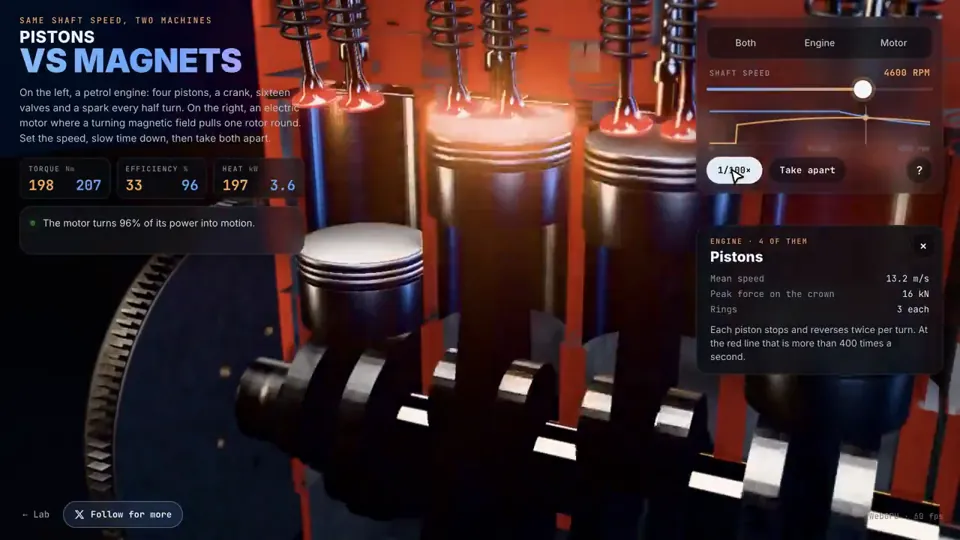
I asked Opus 5.5 again for an engine you can take apart in the browser Pistons against magnets at the same shaft speed. Push the RPM, open the cylinders, slow time down to 1/10 Under 15 minutes, and it did not even move the usage meter on my Max plan. The first experiment took half an hour, this one reused the framework the earlier ones built This is a screen recording, the real thing runs live in your browser Next I want to find where it breaks, so a game is coming

opus5.5有点强,我让它自由选题做交互页面和视频, 提示词:用你最强的思维和能力,根据对我的了解,自行寻找我可能喜欢的主题,制作一个30s的视频还有互动html,尽可能的展示你的前端能力! 它的选题思路:滕王阁·中秋夜。 今天(2026-09-25)正好是丙午年八月十五。所以我选了《滕王阁序》里最有画面感的那句:"落霞与孤鹜齐飞,秋水共长天一色"。短片是船上视角:落日时一只孤鹜飞过太阳,天上是鱼鳞云,然后江天一色,楼阁由下往上亮起灯,满月从东边升起,江面上漂着河灯,诗句以竖排书法字幕配印章出现。 前端做的更牛,但是这里没法放! 画面:整幅画面由一个 WebGL2 着色器逐像素算出来,没有用任何图片。包括天空的暮色层次、按南昌纬度推算的日月轨迹、程序生成的鱼鳞云、9 组波浪叠加的江面倒影,以及用 Canvas 2D 画出来的滕王阁立面。 声音:全部用 WebAudio 实时合成,没有一段录音。古筝用 Karplus-Strong 弦振动模型,带按滑和揉弦;另有箫、江水声、虫鸣和混响。 自由观赏模式:可以拖动环视和缩放,拖时间轴改变时辰;点江面放河灯,会弹出一句诗、响一声古筝;点月亮进入月面特写;还能切换查看渲染图层,或者在网页里直接录制视频。
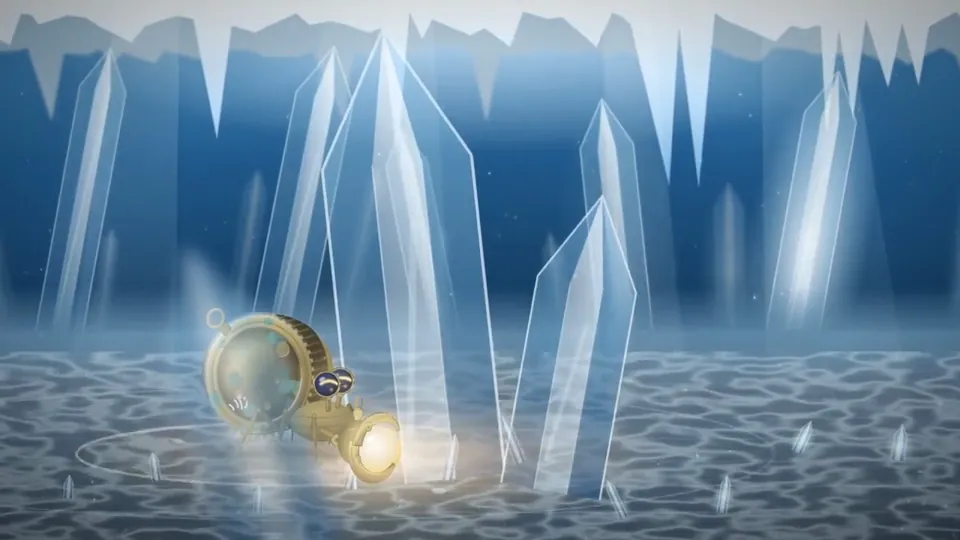
我让 @claudeai Opus 5.5 制讲一只机械寄居蟹在深海追一束光,追到最后发现,发现那束光其实一直在自己手里的动画视频。 没用任何视频生成AI,纯靠写代码画出来的—— 角色、镜头、转场、音乐全是程序渲染的。 看完了。感觉能做到这个程度还是很可以的!
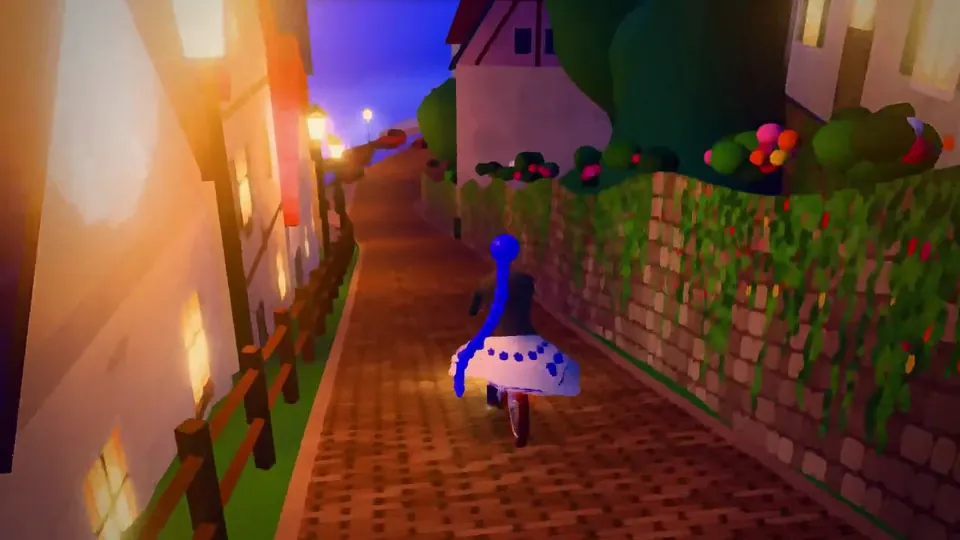
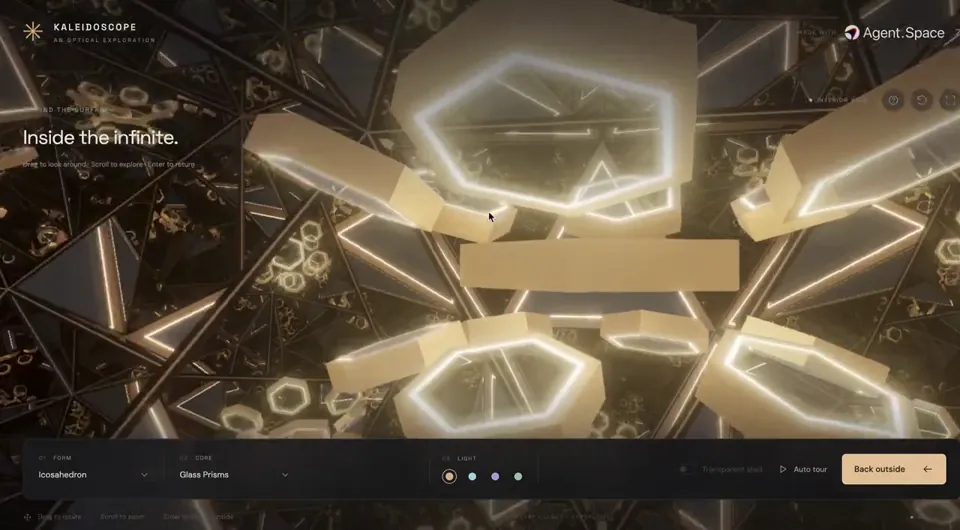
最近用 GPT 6 Astra、Opus 5.5 做了一堆 web 3d 的项目,游戏、室内、Fx、文旅、整活的都有尝试hh 我把这些项目的全部工作流与prompt都整合到了线上的workplace里,之后也会持续更新,感兴趣的朋友可以收藏一波hh

✨审美绝了!Opus 5.5 用 Three.js 把宫崎骏《红猪》经典空战复刻出来了! 只给了这一句prompt: 「用 web3D 复刻宫崎骏《红猪》日落海面上的经典空战:白绿红涂装战斗机、紫色积云、海面反光、吉卜力运镜,画面写 just breathe.」 建模、配色、云层、尾迹和镜头全部一次对齐,审美直接封神。 #Opus5_5 #宫崎骏 #红猪 #ThreeJS #Web3D #AIGC #vibecoding #审美天花板 #3D #AI #Dario #Anthropic https://x.com/nft_chen/status/2103401780117938683?s=46
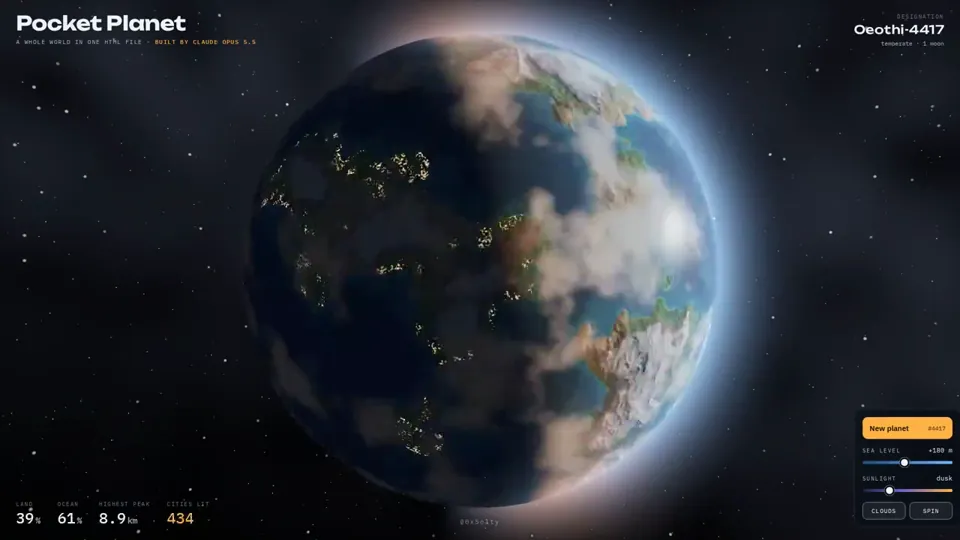
i asked opus 5.5 to build me a planet. not a picture of a planet. a whole planet. it wrote a single html file. no libraries, no images, no 3d models. every ocean, every mountain and every city light is math, generated live in your browser. then i started playing with it. drag it and it spins. raise the sea level and watch continents drown. move the sun and watch the cities switch on at night. hit "new planet" and it invents a new world. it even names it. a year ago this was a semester project for a graphics student. now it's a prompt.
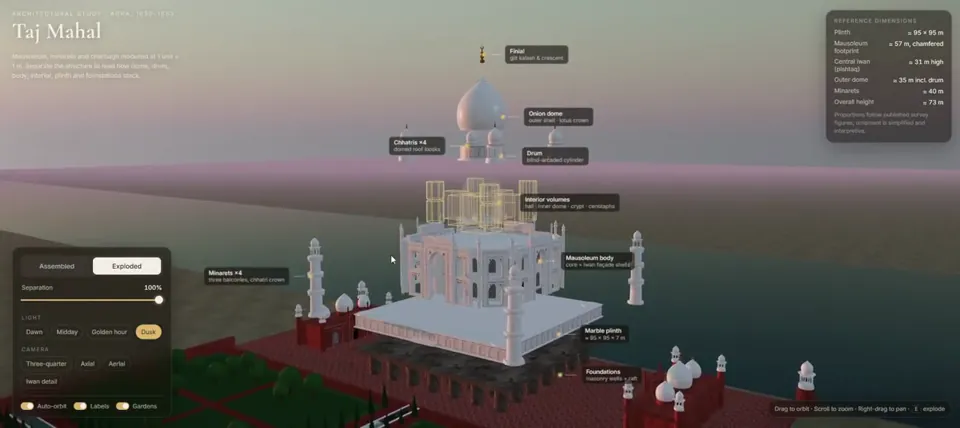
I asked Opus 5.5 to generate a realistic 3D model of the Taj Mahal Dome, minarets, marble inlay, even the foundations. One prompt ⤵️ One HTML file.
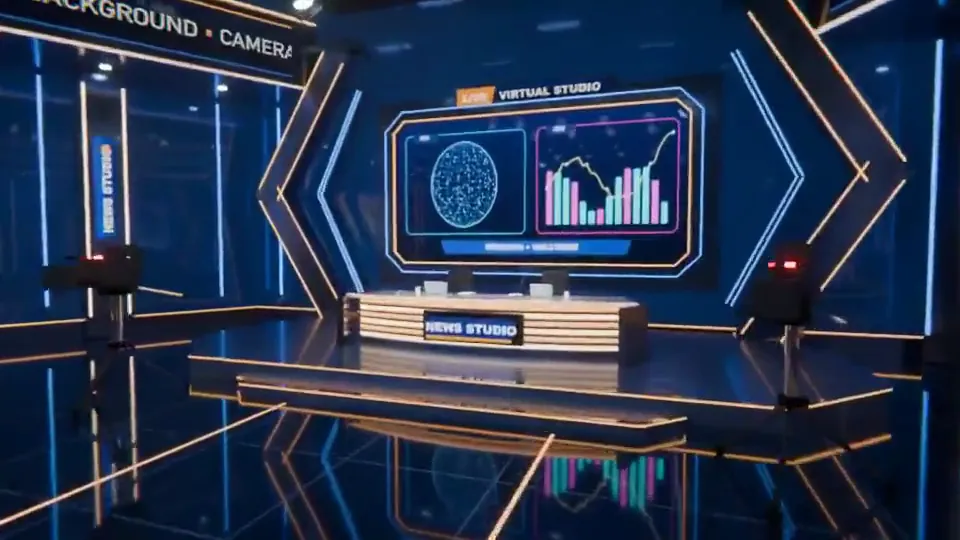
Claude Opus 5.5 just one-shotted an entire 3D virtual studio in Blender. We used to sell studios like this on Envato. Built in After Effects + Element 3D, each one took our team months. This took one prompt. @claudeai @AnthropicAI @alexalbert__ @bcherny
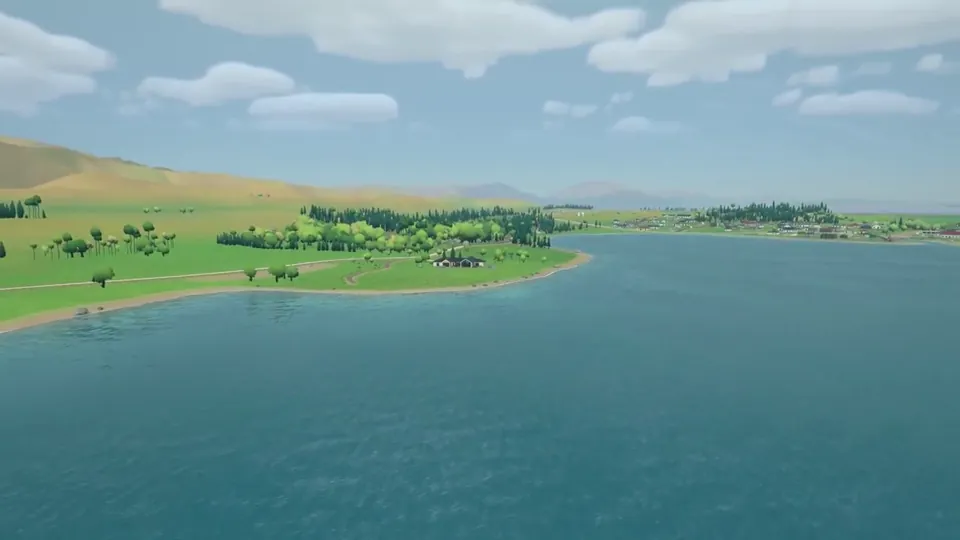
Claude Opus 5.5 is absurdly good at 3D. I reran one of my recent 3D experiments with Claude Opus 5.5. Same prompt, same references, same real-world scene I had previously built with GPT-6 Astra. The result was much better than I expected. Put simply, for this specific use case, Claude Opus 5.5 was a clear win for me. The biggest differences for me were instruction following and taste. With the same references, Opus 5.5 got much closer to the Zelda Breath of the Wild-style look I was aiming for. The layout felt more intentional. It picked better camera angles. Asset placement made more sense. And I spent much less time fixing basic mistakes. In my Astra version, I had to repeatedly correct things like tree roots not touching the ground, rough geometry being used where proper assets already existed, or objects being placed in ways that just looked wrong. Opus 5.5 got much more of this right on its own. The interesting part for me is that I have almost zero real 3D skills. I mostly give references, look at the result, explain what feels wrong, and keep iterating. With better instruction following and visual judgment, that loop becomes dramatically easier. Still plenty to improve, especially indoors. Next test is whether I can recreate the interior of the house with the same level of quality.
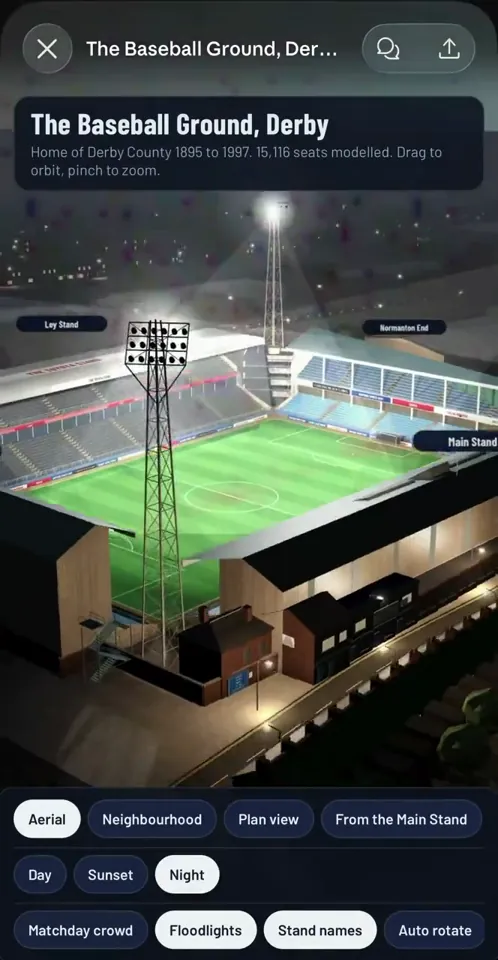
OK so Opus 5.5 SMOKED GPT Astra at 3d modelling this stadium from old plans and reference pics This was a near one shot. 1000x better than Astras one shot (check reply for Astra’s one shot) I gave them the same prompt and the exact same reference plans 👇🏻
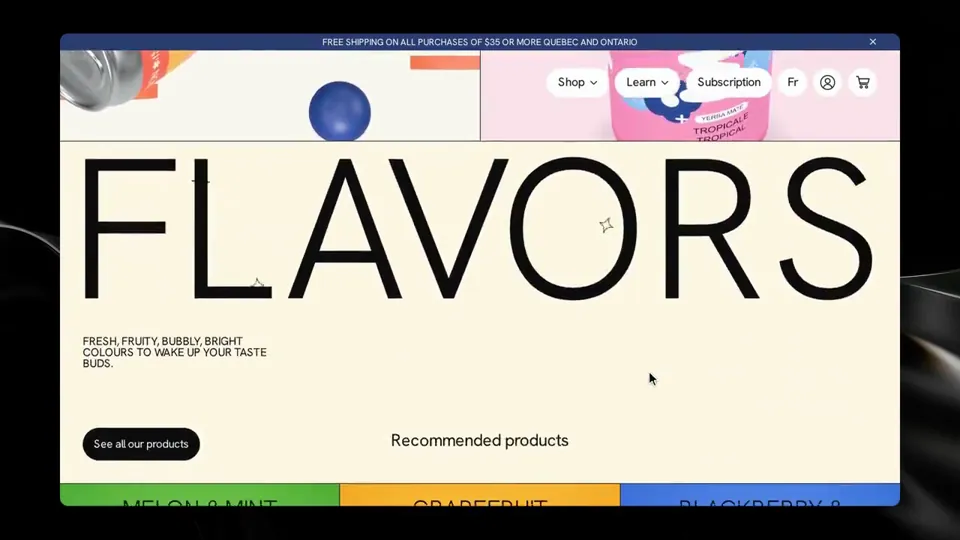
Opus 5.5 building a website for a drink brand. -It generated all the svgs -Built the can in 3D -Painted its own labels and then rendered those to make product photo variations All this in a single (albeit, beefy) prompt
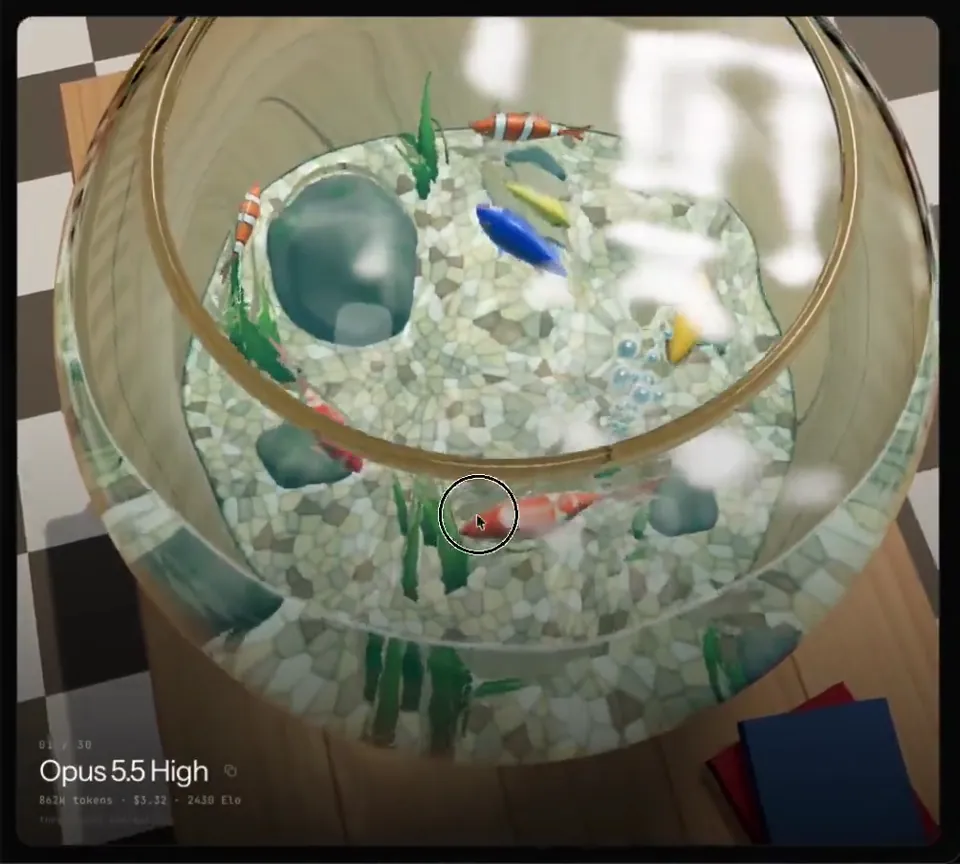
Opus 5.5 does a great job in eval of GLSL (OpenGL Shading Language) in threejs. The prompt here is roughly. A fishbowl with reflection, refraction and water caustics. Check it out yourself! And compare it to other models https://threejseval.com/gallery?eval=fishtank
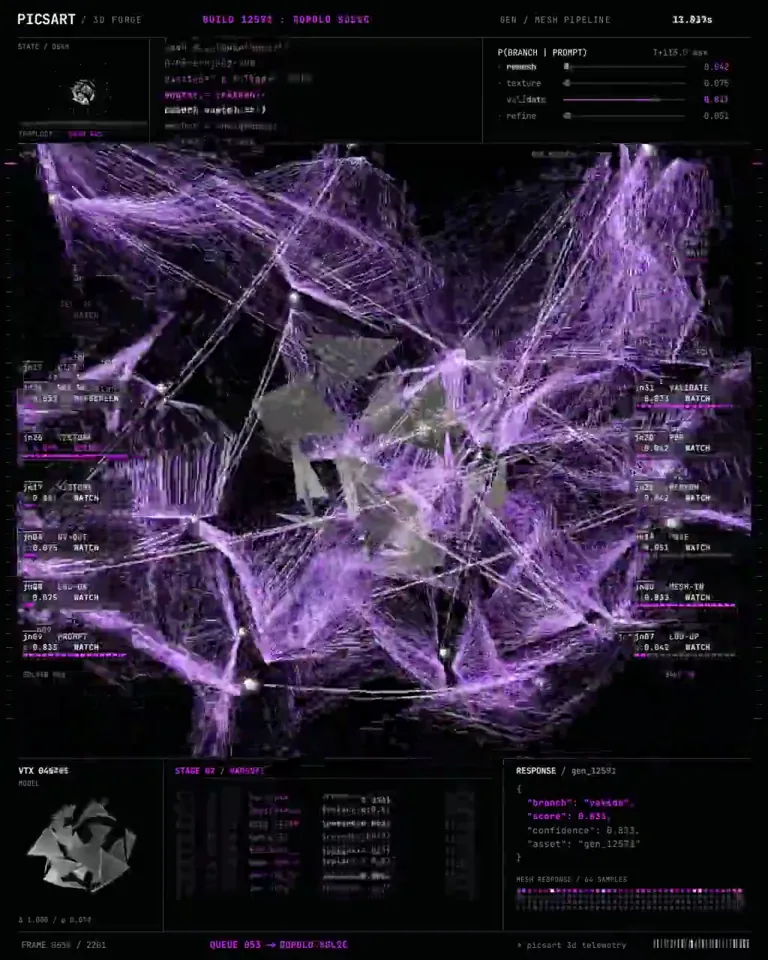
Opus 5.5 turned one sentence into a 3D system that opens in Blender, rigged, textured and ready to animate. It does not render the object. It constructs it, part by part, the way a modeller would if they had a week. > PARSE - the sentence becomes a parts list with real dimensions, nothing implied > MASS - each part built as clean geometry, quads only, no sculpted mush > RIG - joints and pivots placed where the object physically bends > SKIN - materials assigned per surface, scale and roughness set separately > PACK - exported with a named hierarchy, so a human can edit one part Image models stop at the render. What you get is a photograph of a thing that does not exist as a thing. That gap appears the second someone wants to move an arm, swap a material, or send it to a printer. Rigging is what nobody automates. Without pivots you have a statue, and a statue cannot be a system. Topology beats detail every time. A dense mesh looks stunning in a screenshot and folds the moment it deforms. Names carry through the whole export. Every part, joint and material reads the way a person would label it. Studios burn days on modelling and cleanup before anyone gets to the creative part of the job. The prompt format and what each stage returns are laid out underneath.

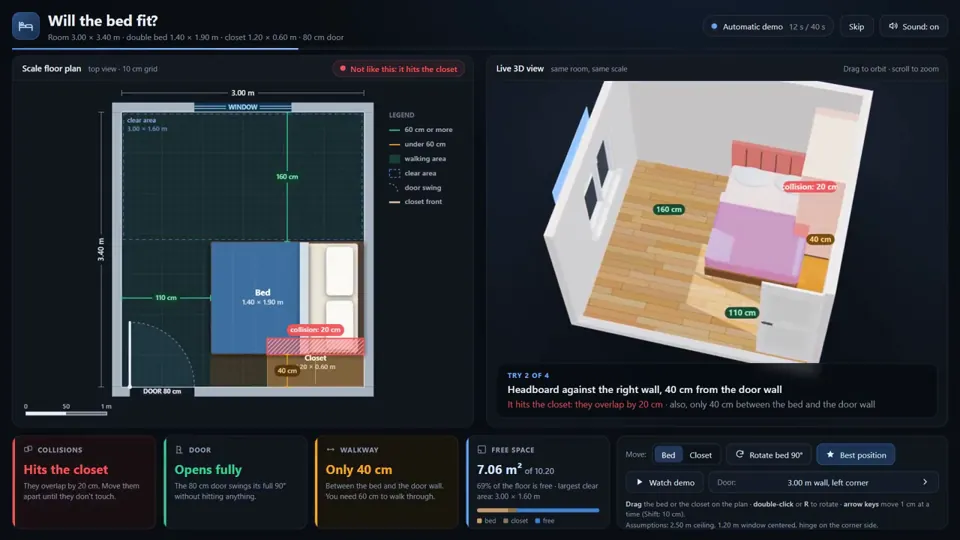
Esta app probó 3,932 posiciones de una cama matrimonial hasta encontrar dónde cabe. La hizo Claude Opus 5.5 con un prompt mío: cuarto de 3.00 x 3.40 m, puerta de 80 cm, un clóset de 1.20 x 0.60 y la cama de 1.40 x 1.90. Armó el plano a escala y el cuarto en 3D al lado, y los dos se mueven juntos. Si la cama choca con el clóset, no deja abrir la puerta o te deja menos de 60 cm para pasar, te avisa. Solo 108 posiciones no tenían ningún problema. La mejor deja 70 cm para pasar por cada lado. Tardó 47 minutos, más 5 para pasarla a inglés, y no le corregí nada. Para una mudanza, esto dice más que cualquier benchmark.
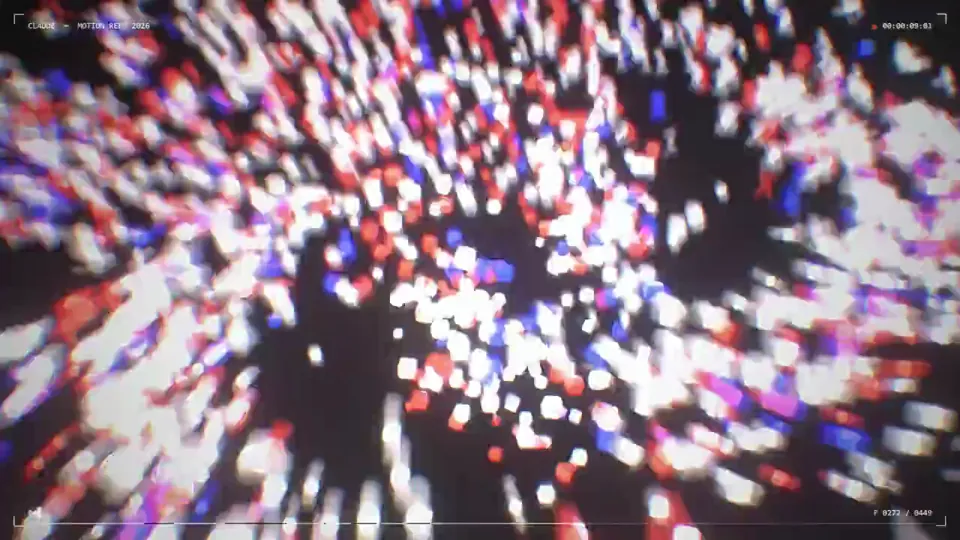
Claude Opus 5.5 یه انیمیشن 3D دیوونهکننده ساخته از دیتاسنتر شروع میشه، وارد سرور میشه، کارت گرافیک رو باز میکنه، داخل چیپ میره، از مدار و ترانزیستور رد میشه و تا اتم سیلیکون میرسه. همهش توی یک فایل HTML واحد اجرا میشه و حدود ۱ ساعت طول کشیده.
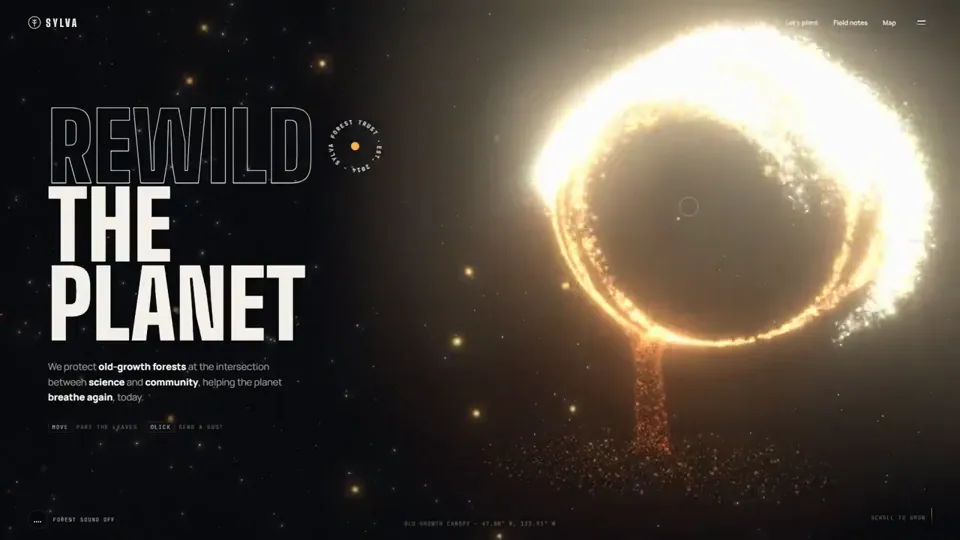
Opus 5.5 is mind boggling. It created this 3D website from just one prompt. Told it to create a website for forest conservation agency with pinterest post as reference for 3D animation. It one shotted into a single html file.
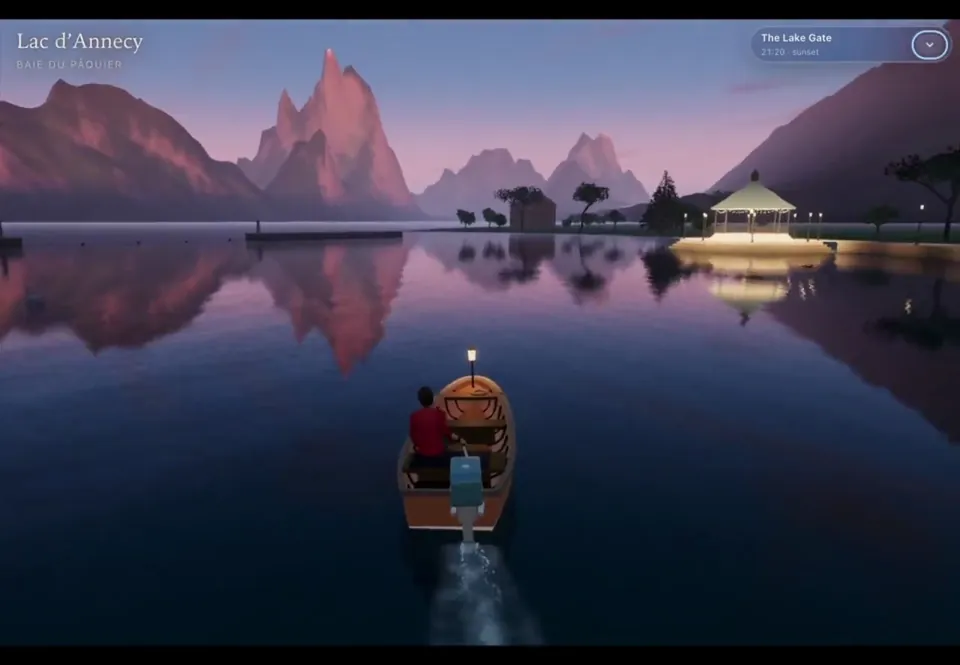
I wanted to see if beautiful destinations could become playable 3D experiences. Annecy, France became the prototype: a boat journey through canals, bridges, waterfront, and the mountain lake, built with Claude Opus 5.5 using Three.js + TSL. I trimmed the navigation footage for the sake of keeping the video short and the post below below has a slightly longer version. The whole workflow behind this is simple:- - Explained the concept to Opus and asked it to list some ideas. - Shortlisted one and asked it to generate a prompt, with tech stack directions. - Thats it, needed few iterations and is still a work in progress with few issues needing ironing. - The audio effects were added by Opus itself.
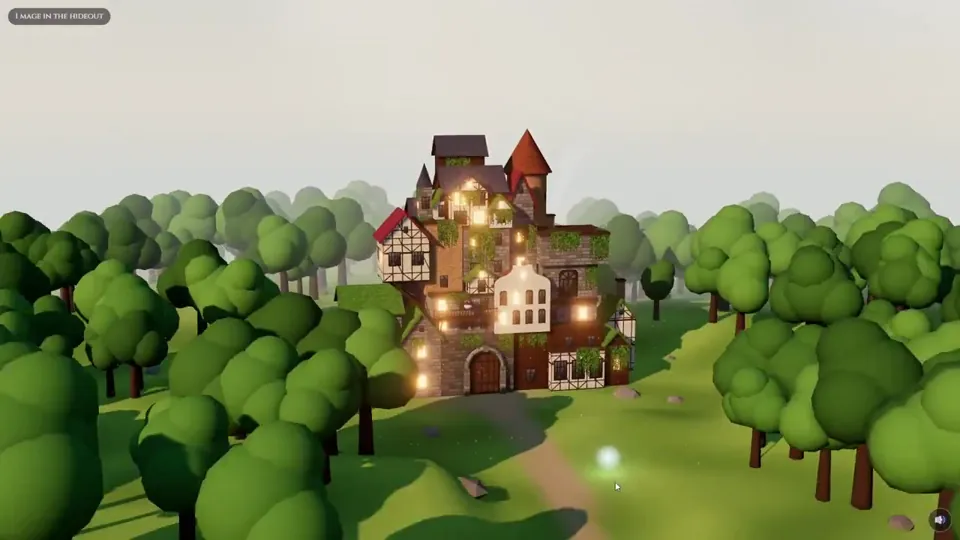
New Black Clover chapters are on the way and Opus 5.5 just dropped, so I put it to the test: A 3D diorama of the Black Bulls hideout, made with Opus 5.5 + three.js Every visitor is a floating mana light, come say hi to Nero 👋 https://ribes.cc/hideout/ #BlackClover #threejs
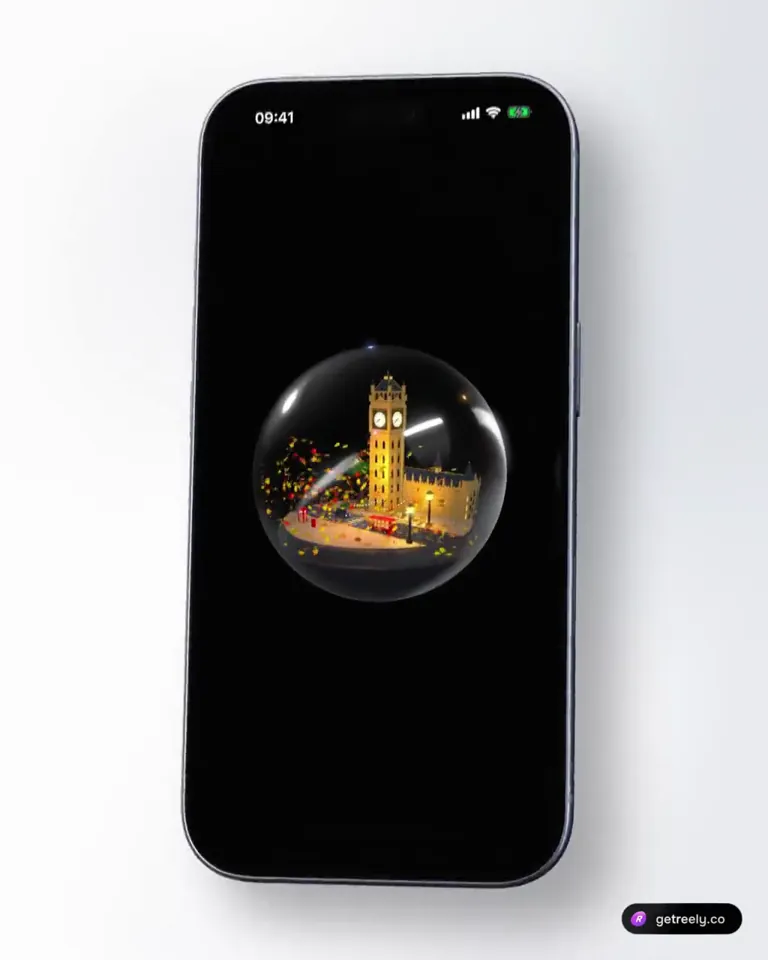
Opus 5.5 put London in a snow globe 🕰 Elizabeth Tower with lit clock faces 🚌 Red double-decker 🚕 Black cab at a zebra crossing ☎️ Phone box 🍂 Leaves that swirl when you shake the phone ~700 lines of Swift. No 3D files.
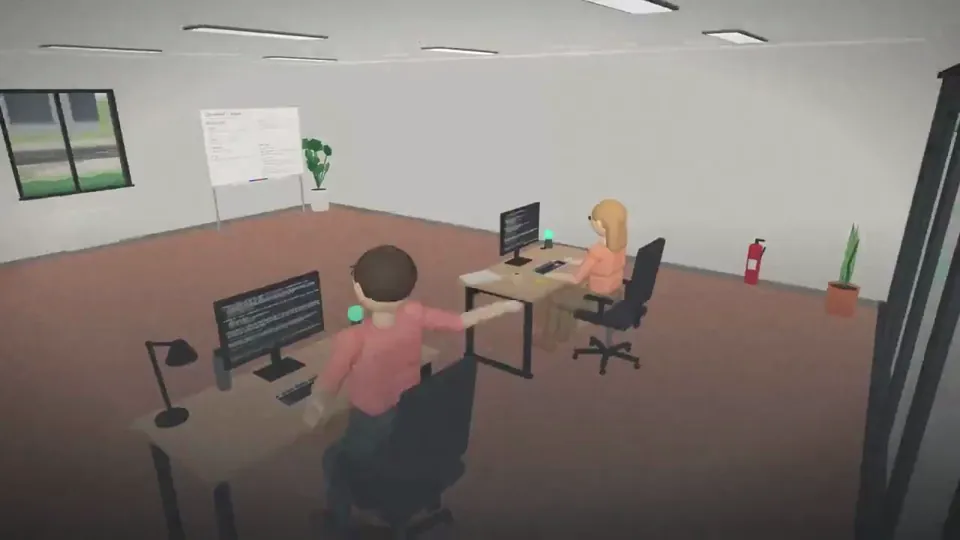
I gave my Claude Code sessions an office. Workspace turns each session into a desk in a 3D office: see who's working, who's done and who needs you, jump into any terminal, and let them work together. Open source, built entirely with @claudeai Opus 5.5.
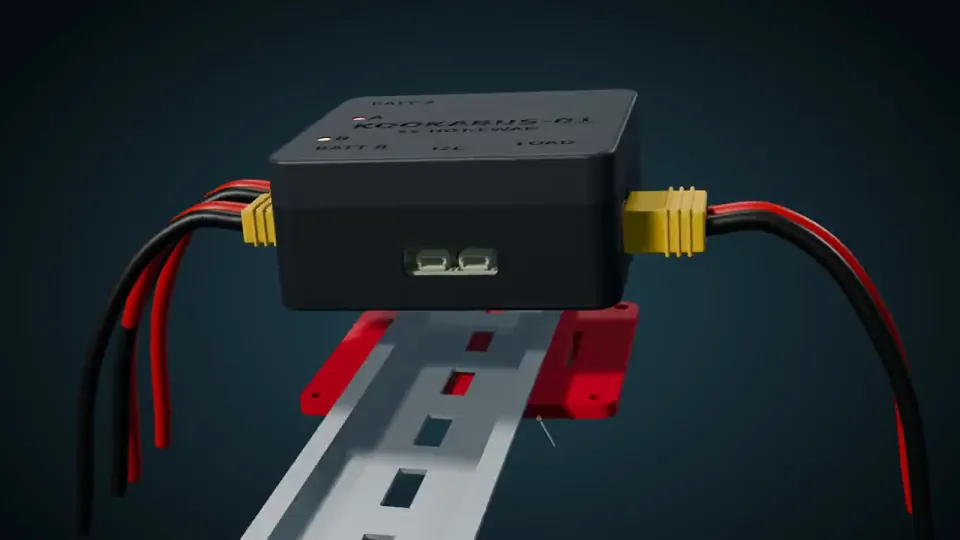
Claude Opus 5.5 continues to amaze me. Claude Opus 5.5 created a 3D printable enclosure for an existing PCB. Then it created this promo video for it. The PCB, the printable STLs and this animation are 100% just from prompting in Claude Code.
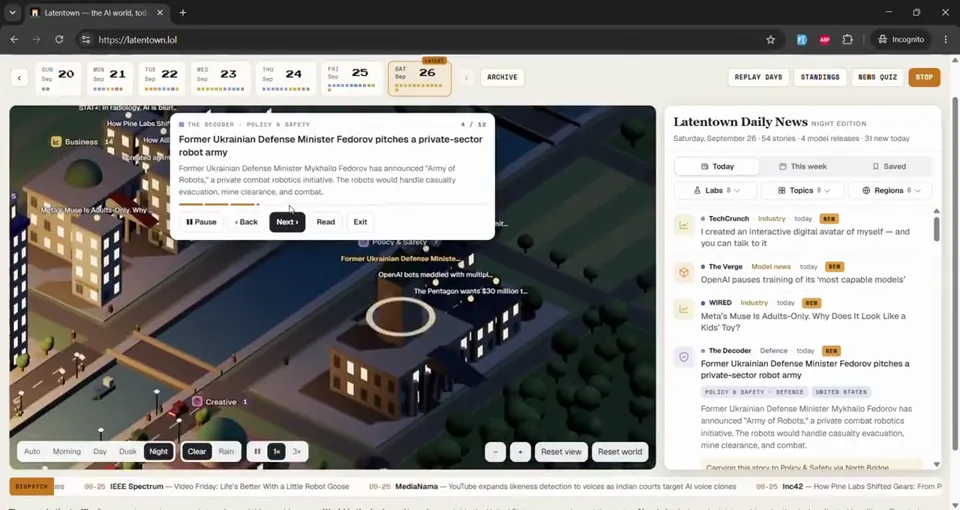
Latentown just went 3D 🏙️ The pixel town grew into a living city of AI news. Every story is a building, every lab has a tower, and couriers carry the day's news across the river. Built over a weekend with Claude Code + Opus 5.5 and three.js. https://latentown.lol
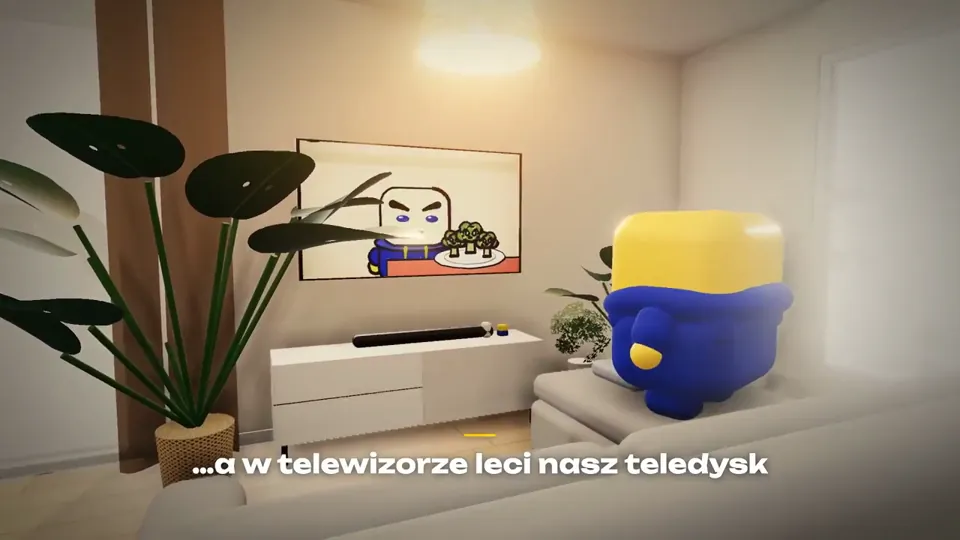
Rok temu próbowałem zrobić grę 3D z Opusem 4.1 - zrzut ekranu, jak to wtedy wyglądało, wrzucę w komentarzu. Zobaczcie, jak szybko to wszystko idzie do przodu. Minęło tylko 12 miesięcy, a dziś wygląda to tak. Całość zbudowana z modelem Opus 5.5. https://kreatio.pl/brokul
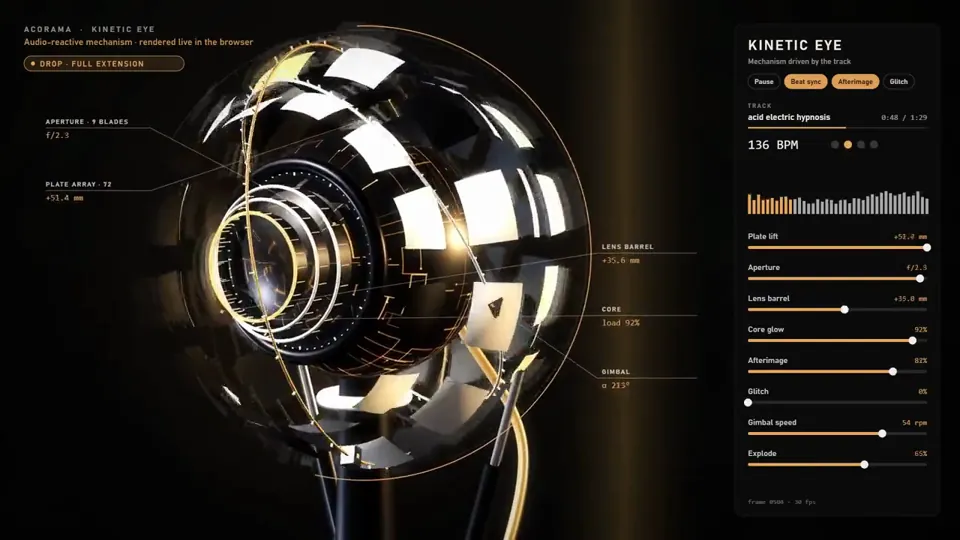
CLAUDE OPUS 5.5 MADE ME A MAGIC EYE. It doesn't just look around. It listens. 72 plates wrapped around a mechanical eyeball, a 9-blade iris, a lens that slides out when the bass hits, two rings orbiting it like it's its own little planet. Play a track and it comes alive. Every kick flips the plates open. The bass pushes the lens forward. The highs light up the glowing core inside. When the song drops into the breakdown, the eye closes and goes quiet, like it's thinking. Then the drop hits and it blows wide open. Opus 5.5 listened to the track first, found the tempo, the breakdown and the drop, and built the whole thing around it. Even the panel on the right is live: every slider moves with the music. All 3D, all code, rendered right in a browser. Turn the sound on.
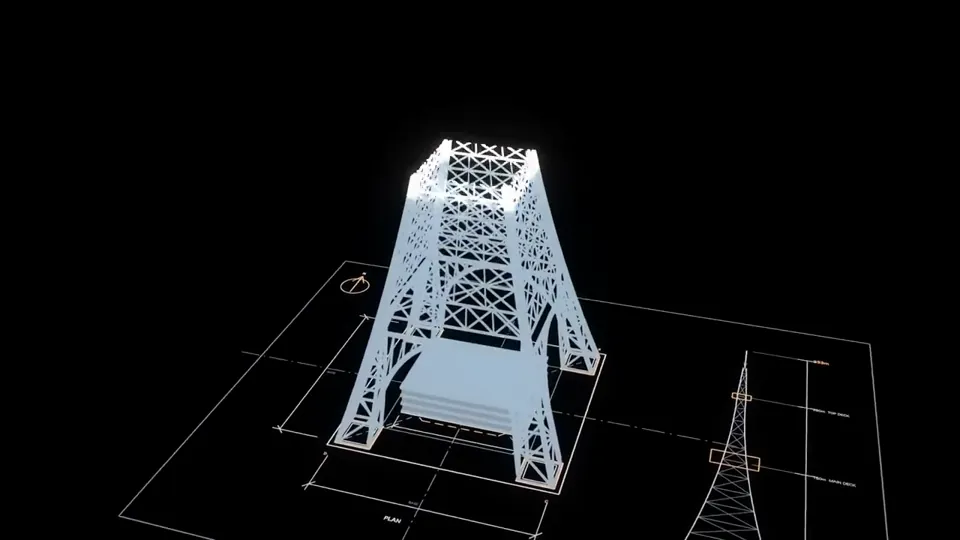
※デザイナーの仕事がなくなりました。 Claude Opus 5.5に3Dモデルで東京タワーの映像を作らせた結果、5分でこのクオリティをポン出し PR動画やYouTube動画制作など、複数の案件もこれ一つで全てこなせます。 具体的な作り方は記事で解説↓
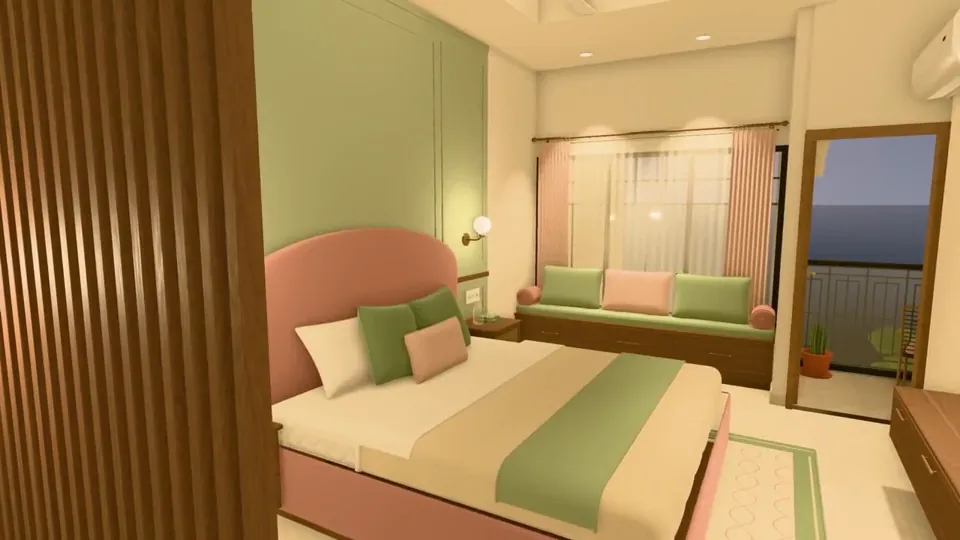
My family is planning to build a house, and all we had was the floor plan. I wanted to see how it would really look once it's built: which colors, layout and design would suit it best. So I gave the plan to Claude Opus 5.5 and asked it to create a 3D view of the house. It's one of the most useful things I've created recently. We can now walk through the house before a single brick is laid, and when we want to try a different color or layout, I just ask for the change. In the video: the hall, room, and the terrace at dusk, all at eye height. How it worked: • I gave it the 5-page floor-plan PDF and one reference image for the front of the house. • It read the drawings and rebuilt every floor: walls, doors, windows and stairs. • Where a printed size didn't match the drawn wall, it flagged it (15 places) instead of quietly guessing. • It furnished every room itself: 500+ pieces of furniture, decor and lighting. • Everything runs in a web browser with three.js. No Blender, no game engine. You can walk through it like a game, in daylight or evening light, and the lamps actually light the rooms. • It treated it like a real software project: ~37k lines of JavaScript, 185 unit tests, 56 browser tests, and deterministic video capture (render the same frame twice, get identical pixels). • It even tracked down a bug of its own: a room's lighting changed depending on which room you walked in from. • It split the work across sub-agents. Start to finish took about two days. My part was the decisions: what each room is for, the style, and the changes I wanted.

「もしかしてロボットアニメみたいな3機の乗り物が変形合体してロボットになるシーンもアニメ風3D CGで作れますか。」ってClaude Opus 5.5に聞きました。モデリング、陰影、輪郭線、BGM、効果音まで、全部Python 1ファイル(約1000行)のコードで生成したそうです。 #Claude #動画生成
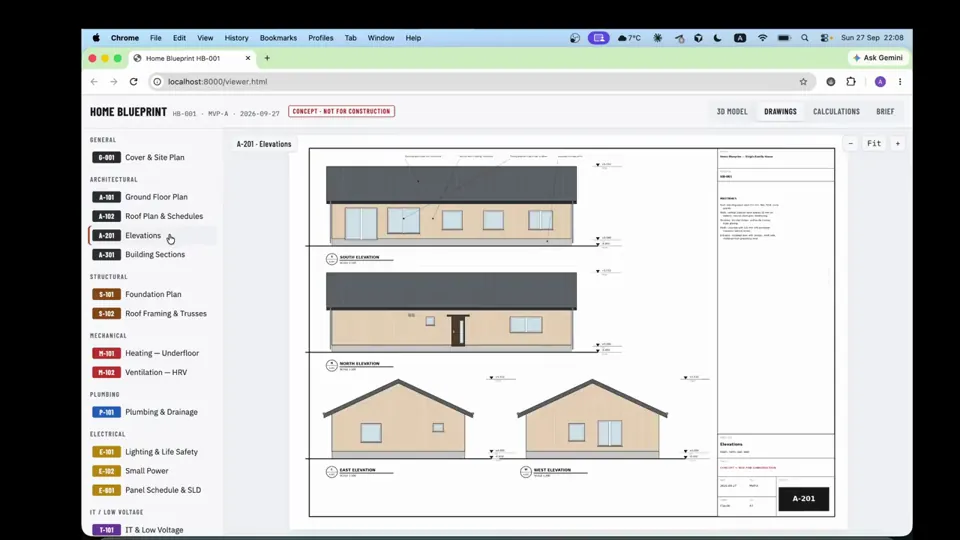
Designed a house as a code with Opus 5.5 One model -> 14 drawings, 5 engineering calculations, a 3D viewer and a CAD export Concept only, not stamped Still wild that one person can do this now
How Claude Opus 5.5 Generates Videos from Code
Rather than sampling diffusion frames directly, Claude Opus 5.5 writes real-time procedural animation code rendered directly in the browser or headlessly via Chromium and Remotion.
Opus 5.5 writes raw HTML5 Canvas 2D render loops and Three.js WebGL shaders. Camera trajectories, particle systems, and raymarching lighting equations run at native 60 FPS with zero compression artifacts.
By orchestrating SVG vector paths with GreenSock (GSAP) timelines, Opus 5.5 generates sharp typographic title sequences, interface walkthroughs, and kinetic logos that scale infinitely without pixelation.
Every prompt in this directory can be pasted directly into Animatiq. Animatiq bundles the code into structured React Remotion components with keyframes, editable text layers, and 4K MP4 export.